
Multiplier AI Blog
Know How Data, AI, & Digital Marketing Can Help Pharma & Life Sciences
Automating Medical Rep Call Reporting with AI
Every SFA vendor sells voice-to-CRM on the same claim: speaking is faster than typing. None of them publishes an accuracy number. The published research does — and it explains why the obvious architecture is the wrong one for an Indian field force.
Build vs Buy: The Pharma Commercial AI Stack
Most build-versus-buy guidance for pharma AI is priced in US dollars, which quietly decides the answer before the reader has started. This guide rebuilds the comparison at Indian salaries, audits the figures everyone is quoting, and shows why this is five decisions rather than one.

AI Territory Design and Route Optimisation for Pharma
Territory design is usually discussed as a map exercise and is really an arithmetic one. How to build the workload index and the potential map that the alignment runs on, why Indian beat-planning benchmarks come from FMCG and break in pharma, and which productivity claims survive checking.

How to Increase Prescription Share of Voice with AI
Share of voice and share of prescriptions are two different things, and conflating them is the most common error in this subject. Share of voice is your share of the total promotional and scientific communication a doctor receives. Share of prescriptions is your share of what they actually write. The framework linking them — excess share of voice, where SOV min
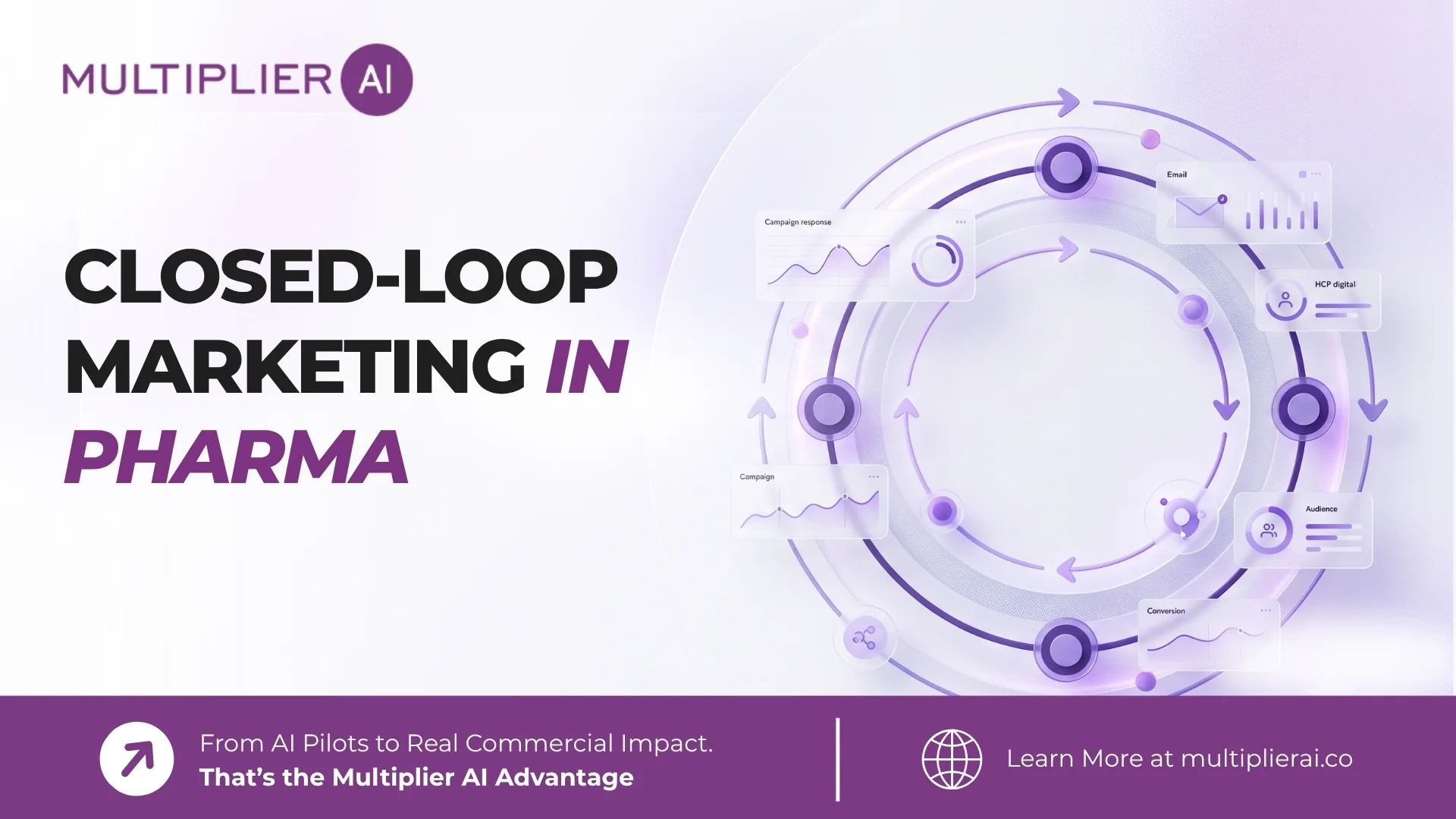
Closed-Loop Marketing in Pharma: The Complete Guide
Closed-loop marketing (CLM) in pharma is a cycle in which a representative presents approved digital content to a doctor, the system records how that doctor responded, and those recorded reactions change what is presented next time.

MLR-Compliant GenAI Content for Pharma
Every pharmaceutical marketing team has now been asked the same question by someone senior: can we use generative AI to produce our promotional content? The honest answer is more interesting than either of the two answers usually given, and it turns on a distinction that most published guidance skips.

NMC Guidelines on Ethical Advertising and Public Communication, 2026
On 6 October 2026 the NMC's Ethics and Medical Registration Board issued guidelines that treat social media, influencer content, SEO and AI-generated material as advertising, and brought them into force the same day. There is no transition period. This is what the document says, clause by clause, and what to change on Monday
Micro-Segmentation of Doctors: A Practical Guide
Search for how to segment doctors and you will find consulting content of a very high standard. ZS and Indegene have been shaping this discipline for decades and their published thinking is good. It is also, by design, abstract — the specific method is what you engage them for, and their writing is a demonstration of judgement rather than a set of instructions.
How to Measure HCP Engagement ROI
ROI is incremental value divided by fully-loaded cost, and the word doing the work is incremental. Engagement metrics — opens, clicks, calls, attendance — are activity, not outcome, and a number computed without a comparison group is not ROI, it is a correlation with a currency symbol. The measurement hierarchy runs from activity to engagement to behaviour to out
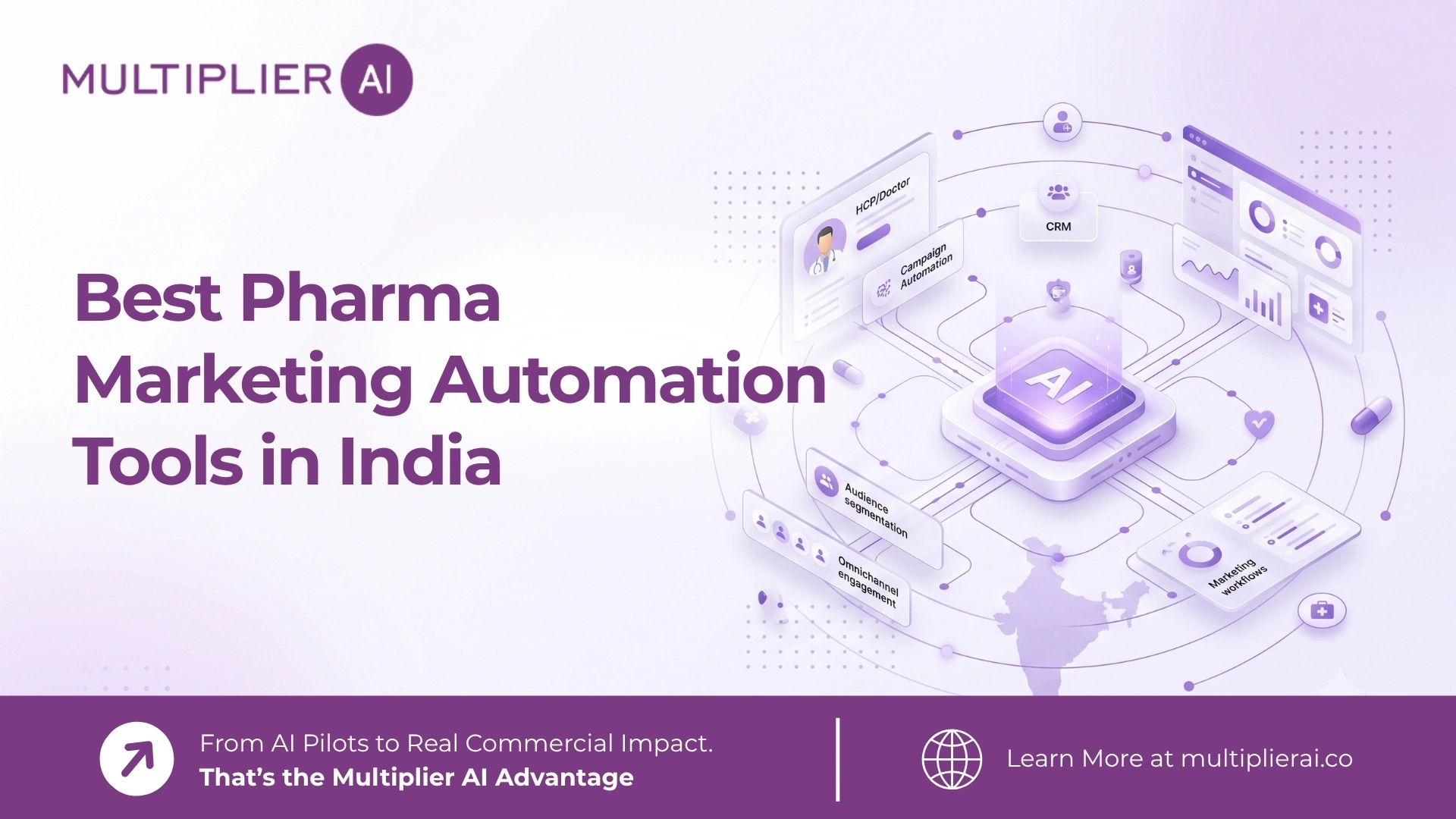
Best Pharma Marketing Automation Tools in India (2026)
There is no shortage of marketing automation software. There is a serious shortage of marketing automation software that survives contact with Indian pharma.A digital marketing head at an Indian pharmaceutical company evaluating this category will find two kinds of content. The first is global martech listicles that rank Marketo, HubSpot and Braze without once mentioning WhatsApp, the Un
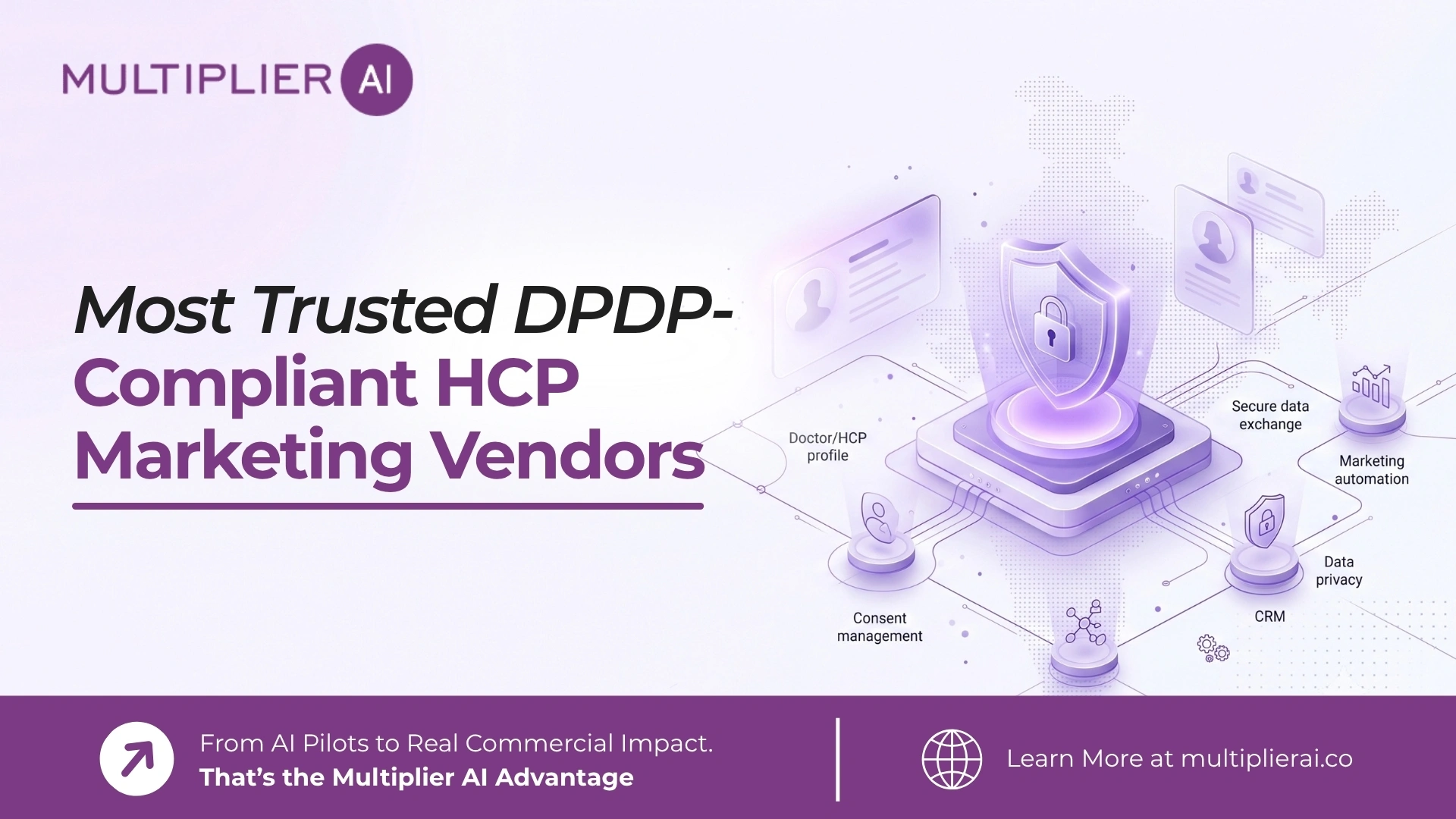
Most Trusted DPDP-Compliant HCP Marketing Vendors
If you have searched for a trusted DPDP-compliant HCP marketing vendor, you have probably noticed that the results are almost entirely law-firm commentary. Excellent commentary, in many cases — but it explains the obligation and stops. It does not tell you how to choose a supplier.Meanwhile every vendor in Indian healthcare marketing now describes itself as DPDP compliant. Including us.
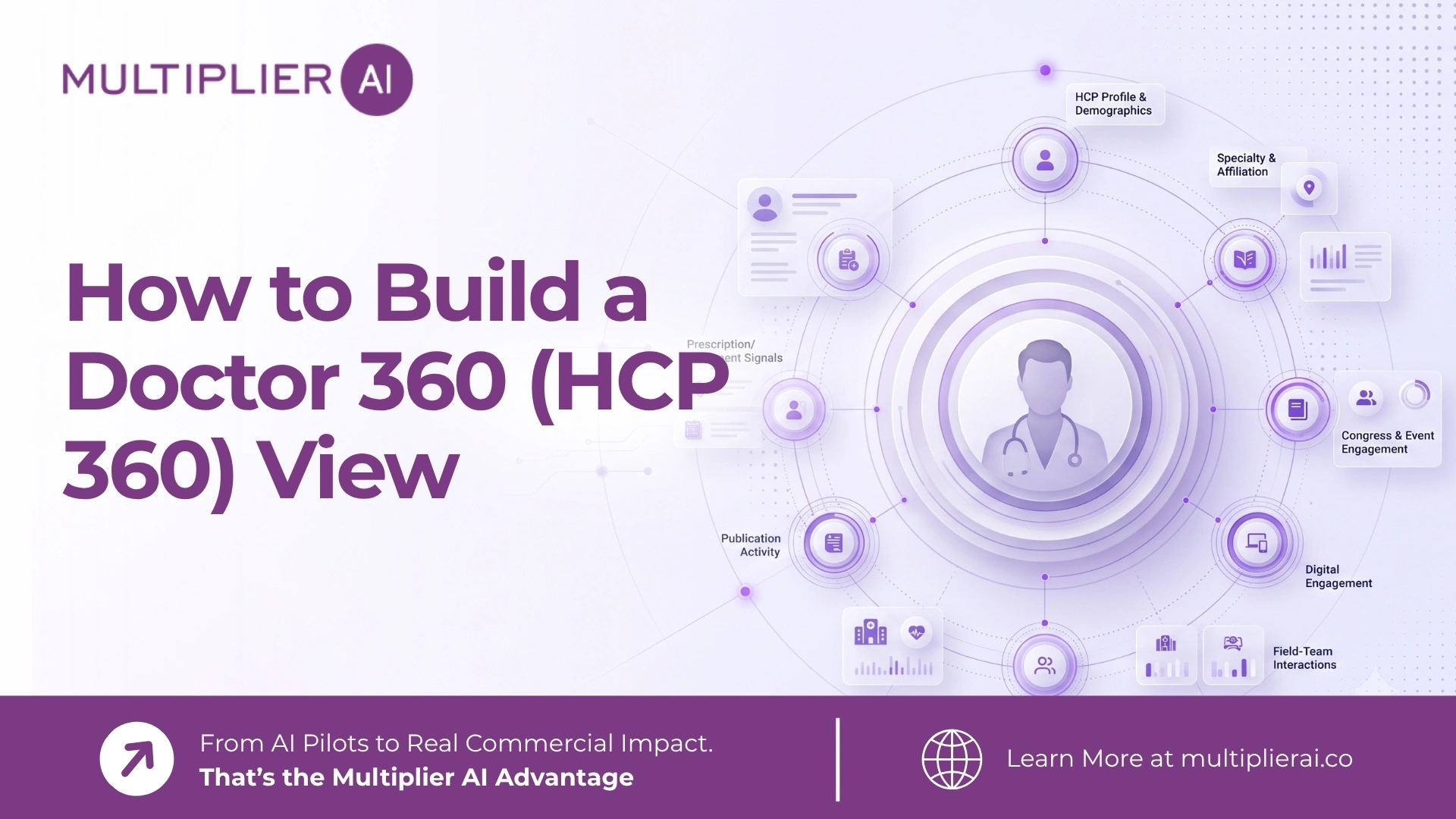
How to Build a Doctor 360 (HCP 360) View
Search for how to build an HCP 360 view and you will find a great deal of agreement about why you should. Unified doctor profiles improve targeting, reduce duplicate outreach, make field and marketing activity legible in one place, and let a brand team answer questions that currently take three analysts and a week. All true, and none of it is the reason these projects fail.