
Multiplier AI Blog
Know How Data, AI, & Digital Marketing Can Help Pharma & Life Sciences

Marketing Mix Modeling in Pharma: Optimising Spend Across Channels
Marketing mix modelling tells you how to split a budget across channels, not which doctor to call. What it can and cannot answer, why its estimates usually run generous, who built the most-used tools - and why it suits the Indian data environment better than anything usually imported with it
Launch Excellence in Pharma: Building the Commercial Model
Most launch content opens with the claim that two-thirds of drug launches fail. The statistic is older and weaker than it sounds. The finding in the same research that does hold up is far more useful - early trajectory persists, which changes when launch money should be spent.
What is PDE in Pharma? Meaning, Full Form and Uses
PDE means three different things in pharmaceuticals, and the right one depends entirely on who is asking. A complete answer: Permitted Daily Exposure and how it is calculated, how it relates to ADE, ADI and HBEL, phosphodiesterase in pharmacology, and per doctor expense in Indian commercial practice.
Physician Segmentation and Targeting for Smarter HCP Engagement
A perfect segmentation with a badly built target list changes nothing, because the field executes the call plan. A practical guide to building one where decile targeting fails, how to size a plan against real capacity, why response curves mislead exactly where they are used, and how Indian teams target without prescription data.

Integrated Delivery Networks (IDN) in Healthcare Explained
An integrated delivery network owns its hospitals and its physicians, which means one committee can decide for dozens of facilities at once. Most published IDN content stops at the definition. This guide covers the definition, the disambiguation from GPOs, ACOs and CINs, and what actually changes commercially when your customer is one.
Medical Device Commercial Strategy: Models for Growth
Five ways a medical device can earn revenue, and the constraint that eliminates most of them: whether the customer's procurement function can actually buy what you are proposing. Includes an honest audit of the device-as-a-service evidence and the arithmetic behind the rep-less debate.
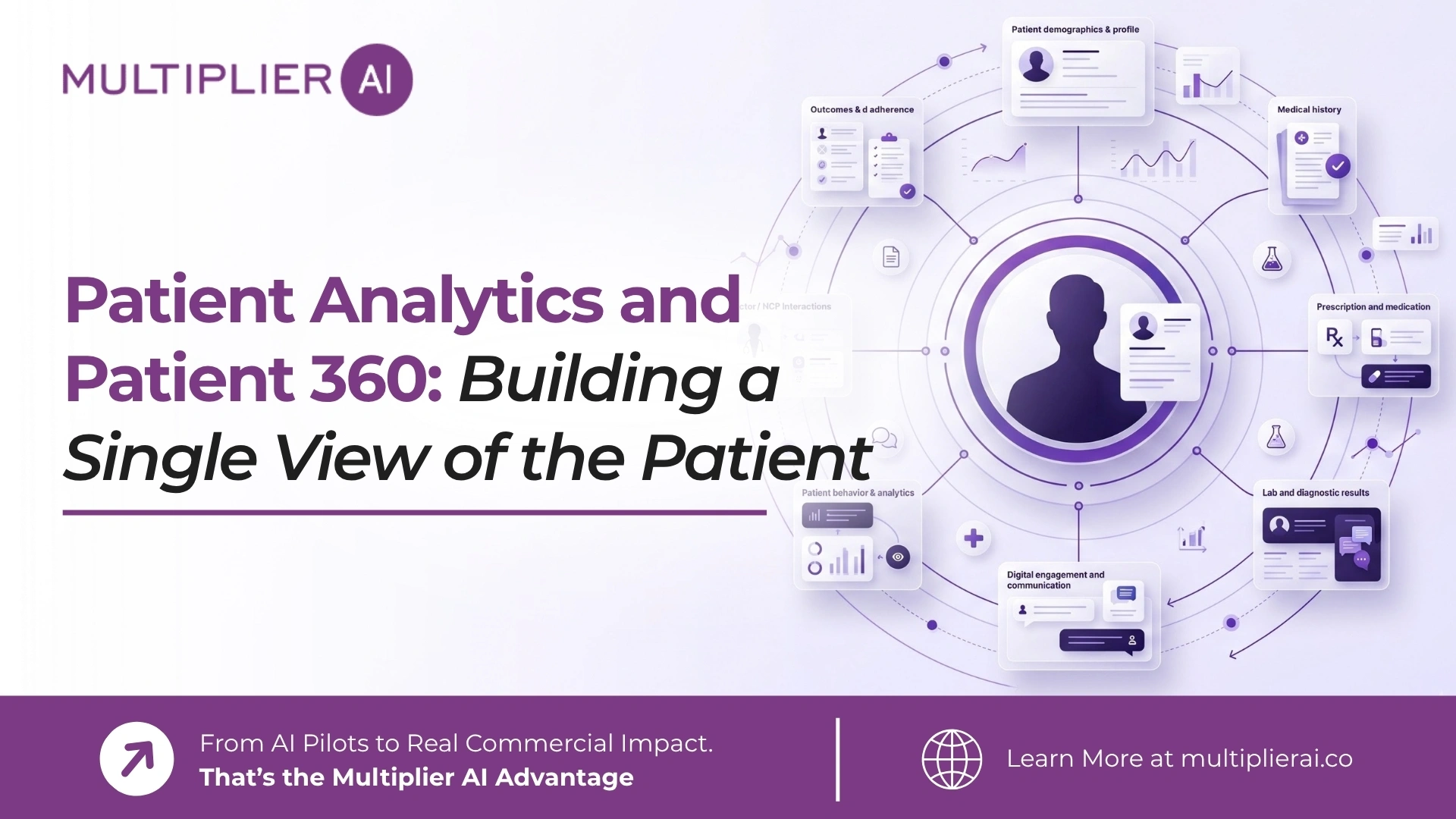
Patient Analytics and Patient 360: Building a Single View of the Patient
A single view of the patient is one of the most widely agreed ambitions in healthcare and one of the least often achieved. Hospitals want it for continuity of care. Pharmaceutical companies want it for adherence and evidence. Digital health providers assume they already have it. Very few of them do, and the reasons are consistent enough to be worth setting out before any platform is chosen.
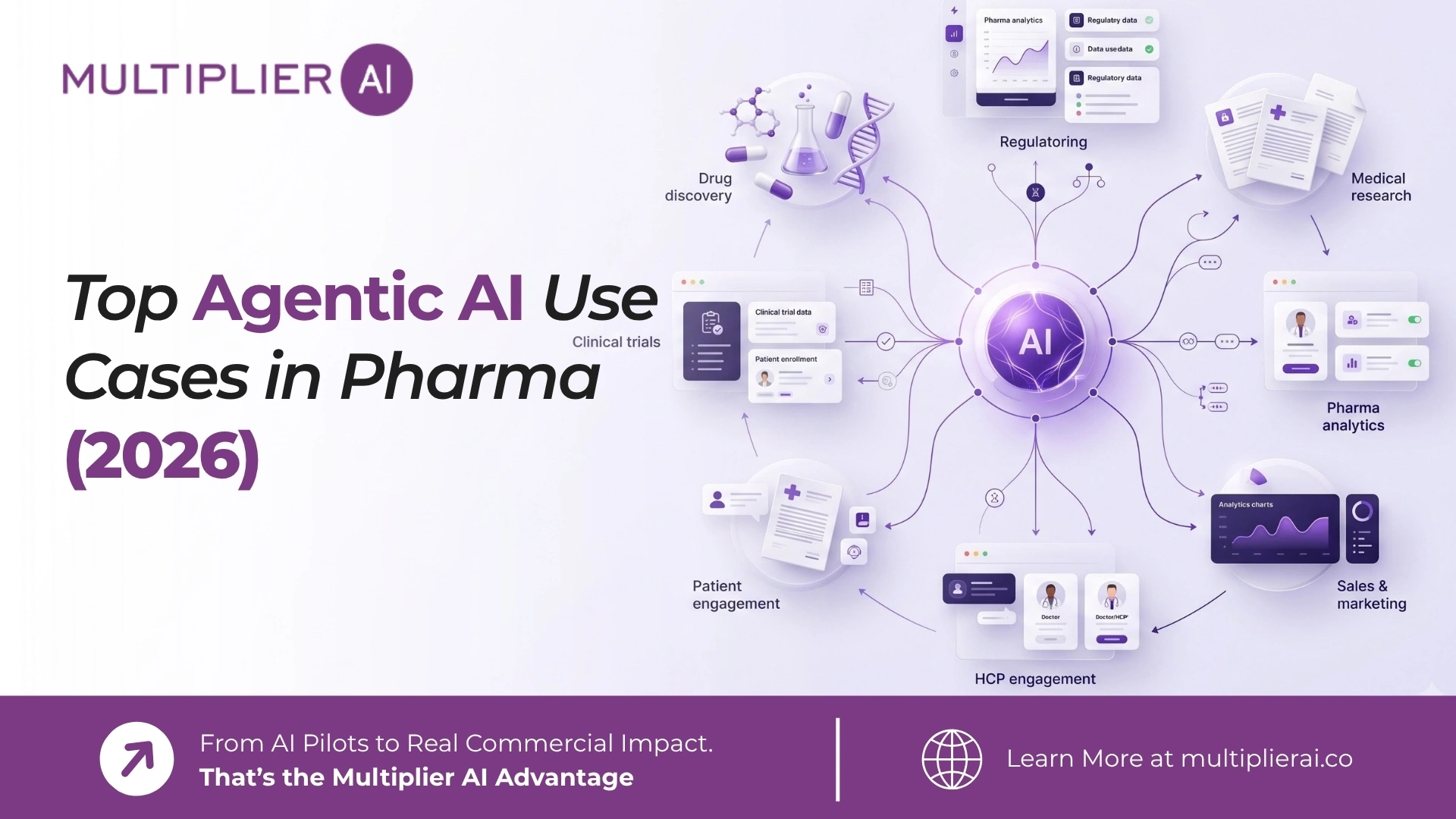
Top Agentic AI Use Cases in Pharma (2026)
Most writing about agentic AI in pharmaceuticals describes what agents could do. This guide is organised around a harder question: what has actually shipped, with a date and a name attached, and what remains a slide. The distinction matters more in this category than in most, because the gap between demonstration and deployment is unusually wide — roughly 80% of enterprise applications now embe

Digital Transformation Trends in Pharma and Healthcare: What Actually Changed in 2026
Most digital transformation trend lists are cross-industry and change nothing. This one applies a three-part test — a date, a decision, and a checkable source — to seven developments that reshaped pharma and healthcare in 2026, including a major regulatory deadline that moved while most published guidance still quotes the old one.
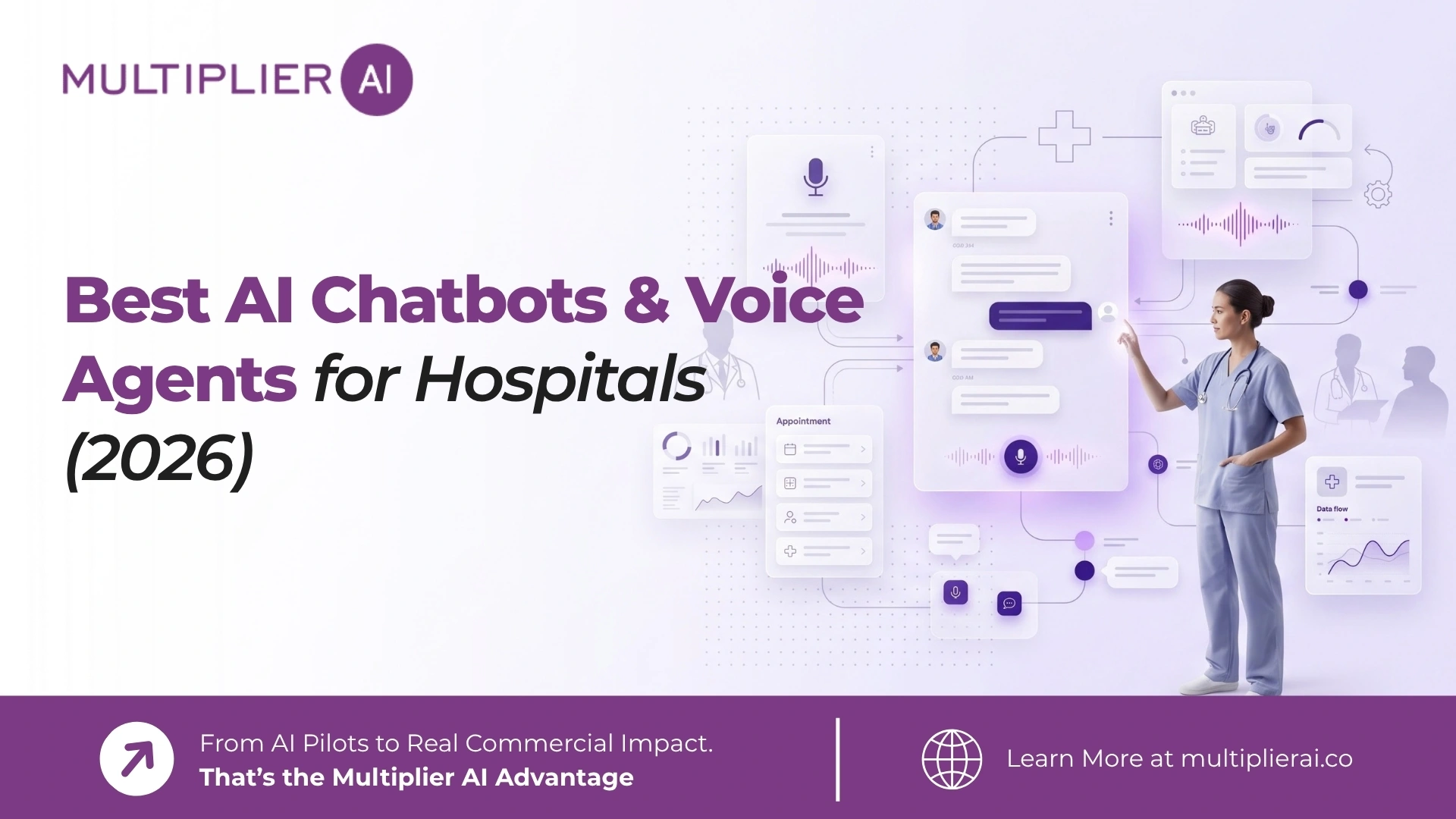
Best AI Chatbots & Voice Agents for Hospitals (2026)
In 2026 the Emergency Care Research Institute, an independent patient-safety organisation that publishes an annual list of health technology hazards, named generative AI chatbots the single most dangerous technical risk to patient safety for the year. That is a striking finding to place at the top of a buying guide, and the conclusion most readers will expect from it is wrong. The finding is no
Best WhatsApp Marketing Platforms for Healthcare & Pharma (India)
Two things about WhatsApp in Indian healthcare are widely misunderstood, and both cost money. The first is the pricing model: Meta moved from conversation-based to per-message pricing on 1 July 2025, which changes the economics of outbound programmes substantially and makes an inbound-first design dramatically cheaper. A significant amount of the vendor content ranking for this term still descr
Best AI Tools for Medical Reps & Sales Force Effectiveness (2026)
There is now a large and genuinely useful set of AI tools aimed at medical representatives, and a much larger set of listicles ranking them by feature count. Feature counts are the wrong instrument. A representative's working day is a fixed quantity, most of it spent travelling, waiting and reporting rather than detailing, and the only tools that change commercial outcomes are the ones that eit