Category: Uncategorized

  • Are Pharma Companies Data Fiduciaries Under DPDP Act?

    Are Pharma Companies Data Fiduciaries Under DPDP Act?

    Are Pharma Companies Data Fiduciaries Under DPDP Act?


    One of the most important and misunderstood questions under the Digital Personal Data Protection Act 2023 is whether pharmaceutical companies qualify as data fiduciaries. Many pharma organisations still assume that data responsibility sits primarily with technology vendors, CRM providers, digital agencies, or data partners.

    The DPDP Act does not support this assumption.

    In most real-world scenarios, pharma companies clearly meet the definition of a data fiduciary under the law. This classification carries direct legal and operational consequences for marketing, commercial, medical, and digital teams.

    This article explains what it means to be a data fiduciary under DPDP, why pharma companies almost always fall into this category, and how this designation reshapes accountability across doctor engagement and marketing workflows.

    What Does Data Fiduciary Mean Under DPDP Act?


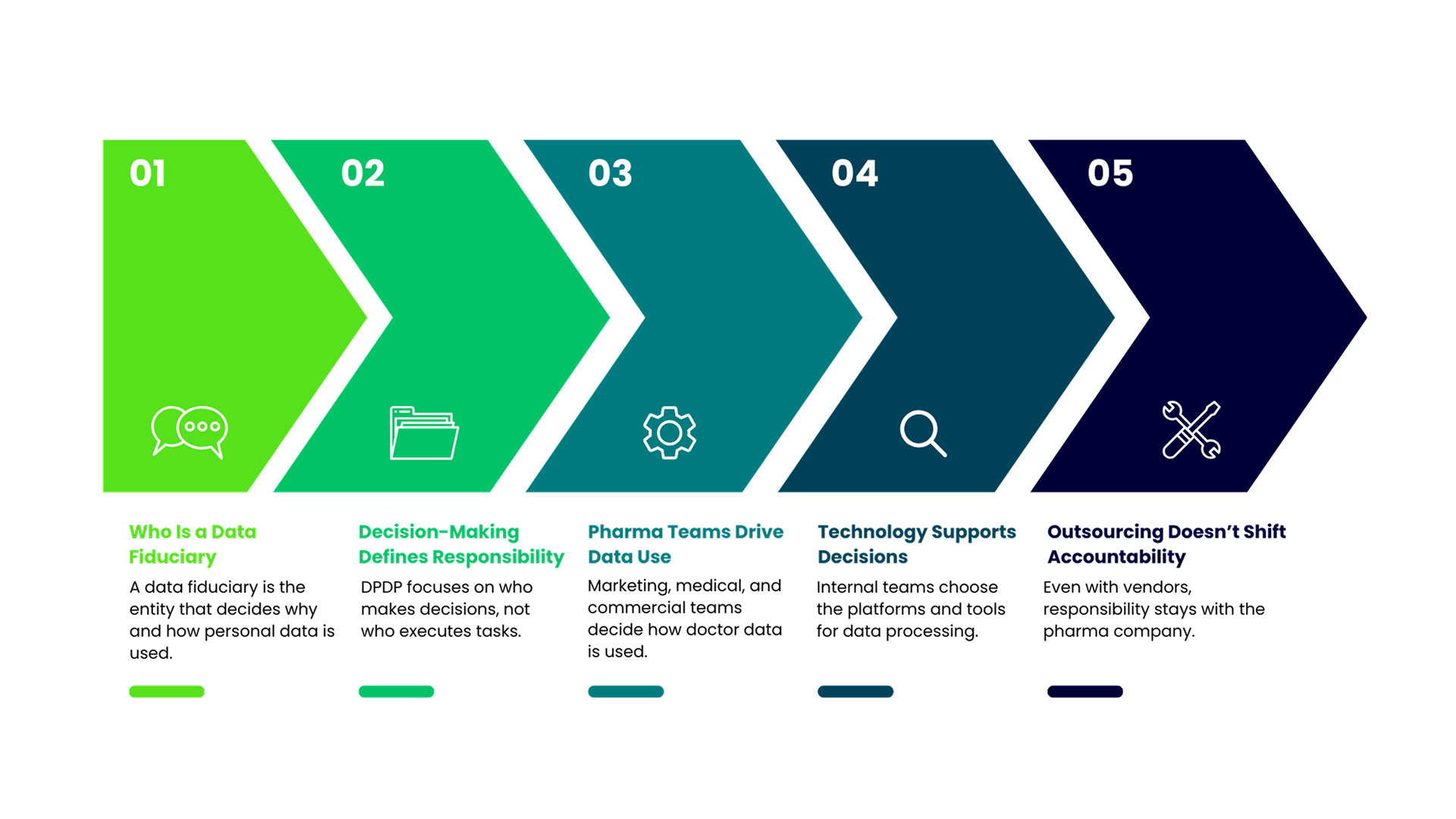
    Under the DPDP Act, a data fiduciary is the entity that determines why and how personal data is processed.

    This definition is intentionally broad. It focuses on decision-making power rather than technical execution. The entity that decides the purpose of data use and the means of processing is the one held accountable.

    In pharma organisations, these decisions are typically made by internal teams. Marketing decides which doctors to target. Medical teams decide what content is shared. Commercial teams define engagement strategies. Technology teams select platforms and tools.

    Even when execution is outsourced, the underlying decisions originate within the pharma company.

    Why Pharma Companies Almost Always Qualify as Data Fiduciaries


    Pharma companies control the core elements that define data fiduciary status.

    They decide which personal data is collected, whether it relates to doctors, patients, or other healthcare professionals. They define the purpose of data use, such as marketing communication, medical education, or engagement analytics. They choose the channels through which communication occurs. They determine how long data is retained and when it is deleted.

    Vendors and agencies may process data on behalf of pharma companies, but they do not typically decide the purpose or scope of processing independently.

    This places pharma companies firmly in the role of data fiduciary under DPDP.

    Common Misconception: Agencies as Data Fiduciaries


    A frequent misconception in pharma marketing is that agencies or platform providers act as data fiduciaries because they operate the tools and run the campaigns.

    DPDP draws a clear distinction between data fiduciaries and data processors. Data processors act on instructions provided by the data fiduciary. They do not define the purpose of processing.

    In most pharma marketing arrangements, agencies follow briefs, campaign plans, and data access rules defined by the pharma company. This makes them data processors, not data fiduciaries.

    The responsibility for compliance remains with the pharma company.

    How Data Fiduciary Status Affects Pharma Marketing Teams


    Being classified as a data fiduciary has practical consequences for marketing and commercial teams.

    Marketing teams must ensure that data used in campaigns is collected lawfully and with valid consent. They must ensure that data is used only for the purposes communicated to doctors. They must be able to demonstrate compliance during audits or investigations.

    This shifts compliance from being a background legal concern to an operational responsibility embedded in daily workflows.

    Data Fiduciary Responsibilities in Doctor Engagement


    Doctor engagement relies heavily on personal data. Contact details, engagement history, preferences, and digital interaction data all qualify as personal data under DPDP.

    As data fiduciaries, pharma companies must ensure that this data is accurate, up to date, and used appropriately. They must respect consent withdrawal and provide mechanisms for doctors to exercise their data rights.

    This directly affects how doctor databases are managed and how engagement programs are designed.

    Impact on CRM Systems and Marketing Platforms


    CRM systems play a central role in doctor engagement. However, many CRMs were designed for sales enablement rather than regulatory accountability.

    Under DPDP, data fiduciaries must ensure that CRMs support consent tracking, purpose mapping, and enforcement at the point of execution. A CRM that allows outreach without validating consent introduces compliance risk.

    This is why DPDP-compliant HCP marketing architectures are becoming critical for pharma organisations. They connect data fiduciary responsibilities directly with marketing execution systems.

    Vendor Management Under Data Fiduciary Obligations


    Being a data fiduciary also affects how pharma companies work with vendors.

    Contracts must clearly define roles and responsibilities. Data access must be limited to what is necessary. Vendors must follow documented instructions. Audit rights and safeguards must be in place.

    Pharma companies cannot rely on vendor assurances alone. They must actively govern how personal data is handled across the ecosystem.

    Data Fiduciary Role in AI Driven Marketing


    AI driven marketing introduces additional complexity.

    AI systems often rely on large datasets and behavioural signals. As data fiduciaries, pharma companies must ensure that AI models are trained on lawfully collected data and that outputs respect consent scope and purpose limitation.

    Consent withdrawal must propagate across AI systems, not remain confined to source databases. This requires closer integration between data governance and AI deployment.

    What Happens When Pharma Companies Ignore Fiduciary Status

    Ignoring data fiduciary responsibilities does not eliminate liability. It increases risk.

    If a violation occurs, regulators will look at who decided why the data was used. In most cases, this points back to the pharma company, not the vendor.

    This can lead to penalties, audits, and reputational damage. It can also disrupt marketing operations if data usage is restricted suddenly.

    Preparing Pharma Teams for Data Fiduciary Accountability


    The most effective response is proactive preparation.

    Pharma companies should clearly document data purposes, consent mechanisms, and processing workflows. Marketing teams should be trained to understand fiduciary responsibilities. Systems should be evaluated for consent enforcement capabilities.

    Data fiduciary accountability should be treated as a design principle rather than an afterthought.

    Why Data Fiduciary Status Is Not Optional


    Under DPDP, data fiduciary status is not something a company can opt into or out of. It is determined by how data decisions are made in practice.

    For pharma companies, the conclusion is clear. If you decide how doctor or patient data is used, you are a data fiduciary.

    Accepting this reality is the first step toward compliant and sustainable marketing operations.

    Frequently Asked Questions on Data Fiduciary Status in Pharma

    What is a data fiduciary under DPDP Act?
    A data fiduciary is the entity that determines why and how personal data is processed.
    Are pharma companies considered data fiduciaries?
    Yes. Pharma companies typically decide the purpose and means of processing doctor and patient data.
    Are marketing agencies data fiduciaries under DPDP?
    In most cases, no. Agencies usually act as data processors following pharma company instructions.
    Does data fiduciary responsibility apply to doctor marketing?
    Yes. Doctor marketing involves personal data and falls under DPDP.
    Who is liable if a vendor mishandles doctor data?
    The pharma company remains liable as the data fiduciary.
    Do CRMs change data fiduciary status?
    No. Using a CRM does not shift fiduciary responsibility away from the pharma company.
    Does data fiduciary status affect AI driven marketing?
    Yes. Data fiduciaries must ensure AI systems comply with DPDP requirements.
    Can data fiduciary responsibilities be outsourced?
    No. Execution can be outsourced, but responsibility cannot.


    Closing Perspective and CTA


    The DPDP Act makes one thing clear. Control over data decisions brings accountability.

    For pharma companies, data fiduciary status is not a legal technicality. It is a practical reality that shapes how doctor engagement, marketing execution, and digital transformation must operate.

    If you are evaluating how to meet data fiduciary responsibilities while running DPDP-compliant HCP marketing, this page explains how consent-first, accountable engagement models are being implemented in real pharma environments.


  • Data Protection Bill vs DPDP Act: What Changed for Healthcare

    Data Protection Bill vs DPDP Act: What Changed for Healthcare

    Data Protection Bill vs DPDP Act:
    What Changed for Healthcare


    For several years, India’s healthcare and pharmaceutical sector operated in a state of regulatory anticipation. Draft versions of the Personal Data Protection Bill circulated, were revised, withdrawn, and reintroduced in different forms. During this period, many healthcare organisations took a wait-and-watch approach, assuming that final compliance requirements would evolve gradually.

    The Digital Personal Data Protection Act, 2023 ended that uncertainty.

    The DPDP Act is not just a renamed version of the earlier Data Protection Bill. It represents a decisive shift in how personal data is regulated in India, especially for sectors like healthcare and pharma where sensitive, identifiable data is deeply embedded in daily operations.

    This article explains what changed between the earlier Data Protection Bill and the DPDP Act, why those changes matter specifically for healthcare and pharma companies, and how marketing, medical, and digital teams must now operate differently.

    What Purpose Limitation Means Under DPDP


    Purpose limitation under DPDP means that personal data must be collected for a specific, lawful purpose and processed only for that purpose.

    Data cannot be reused simply because it is available. Each use must align with the purpose communicated to the data principal at the time of consent.

    If the purpose changes, expands, or evolves, new consent may be required.

    This principle forces organisations to think carefully about why data is collected and how it will be used over time.

    A Brief Context: From Data Protection Bill to DPDP Act


    India’s journey toward comprehensive data protection legislation began with the Personal Data Protection Bill. That bill attempted to create a wide-ranging framework covering personal data, sensitive personal data, and critical personal data, with extensive obligations and classifications.

    Over time, feedback from industry, regulators, and policy experts highlighted challenges around complexity, implementation feasibility, and enforcement clarity. As a result, the government chose to simplify and restructure the law.

    The outcome was the Digital Personal Data Protection Act, 2023.

    Rather than being an incremental update, DPDP is a re-architected law that focuses on digital personal data, clearer accountability, and more enforceable obligations.

    For healthcare, this simplification does not mean reduced responsibility. In many ways, it increases operational accountability.

    Key Structural Differences Between the Two Laws


    One of the most important changes is scope.

    The earlier Data Protection Bill attempted to regulate all personal data, whether processed digitally or otherwise. DPDP narrows the scope to digital personal data. For healthcare and pharma, this still covers the majority of operational data because patient records, doctor databases, CRMs, analytics platforms, and AI systems are digital by design.

    Another change is simplification of data categories. The earlier bill introduced multiple categories such as sensitive and critical personal data. DPDP removes these classifications and instead focuses on personal data with contextual obligations.

    For healthcare organisations, this means fewer theoretical distinctions but clearer responsibility for how data is handled in practice.

    What Changed in Consent Requirements


    Consent existed in the earlier Data Protection Bill, but DPDP makes consent far more central and operational.

    Under DPDP, consent must be explicit, informed, specific to a purpose, and easy to withdraw. These requirements are clearer and more enforceable than in earlier drafts.

    For healthcare and pharma marketing teams, this has immediate consequences. Doctor engagement, patient education programs, digital campaigns, and outreach initiatives must now be designed with consent as a live condition, not a one-time approval.

    Earlier models that relied on broad or implied consent are no longer sufficient.

    Accountability Shift for Healthcare Organisations


    The Data Protection Bill discussed obligations, but DPDP sharpens accountability.

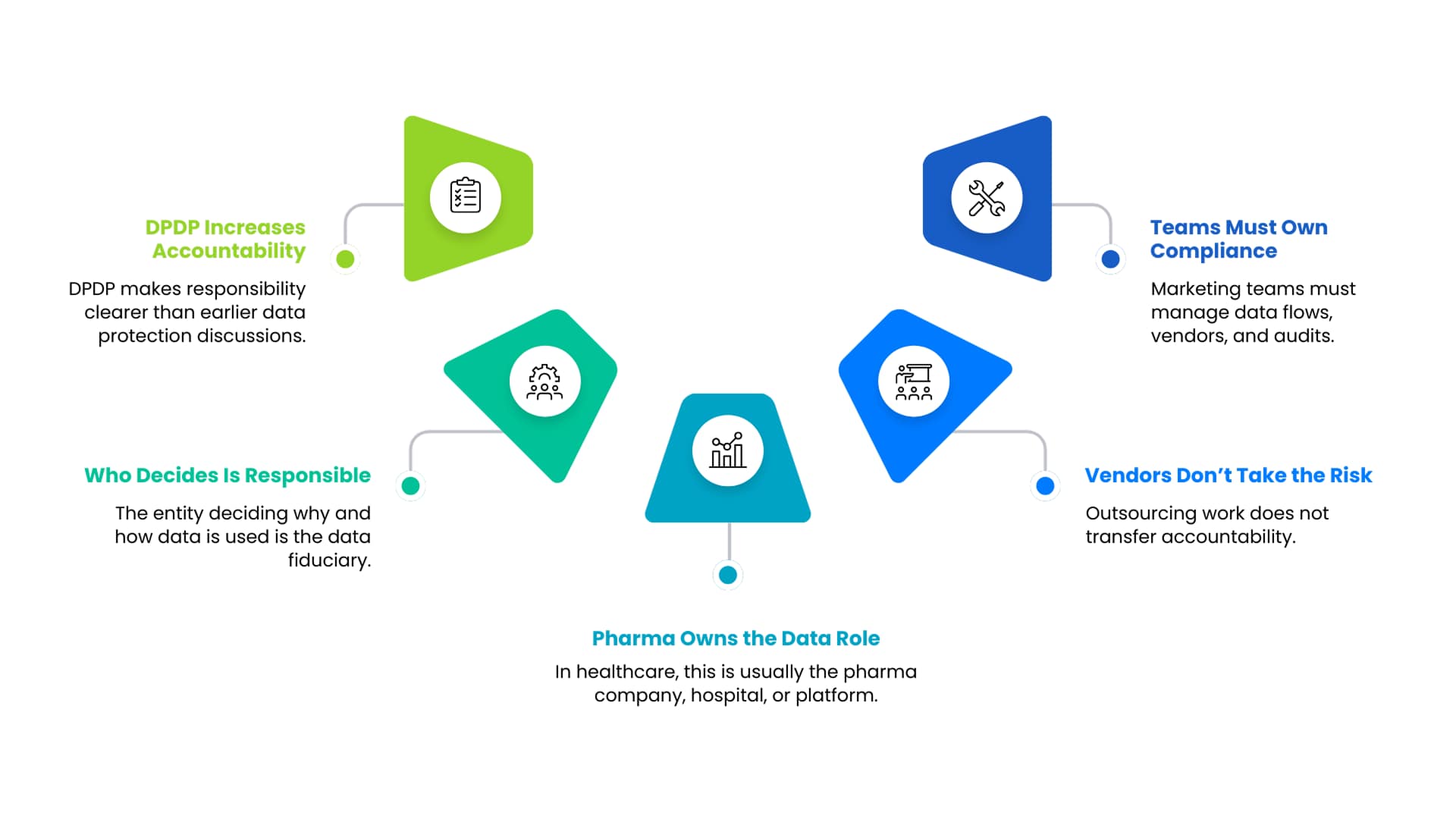
    Under DPDP, the entity that determines why and how personal data is processed is the data fiduciary. In healthcare and pharma, this is almost always the hospital, pharma company, or healthcare platform, even when vendors or agencies are involved.

    This removes ambiguity. Outsourcing execution does not outsource responsibility.

    For healthcare marketing and commercial teams, this means greater ownership of data workflows, vendor governance, and audit readiness.

    Impact on Doctor and Patient Data Handling


    Under the earlier bill, many healthcare organisations assumed that professional data such as doctor contact information would be treated differently from consumer data.

    DPDP does not support this assumption.

    Doctor data is personal data if it can identify an individual. Patient data is also personal data, often highly sensitive in nature. The law does not dilute obligations simply because data is used in a professional or clinical context.

    This change forces healthcare organisations to reassess long-standing practices around data sharing, enrichment, and reuse.

    What Changed for Healthcare Marketing and Engagement


    Healthcare marketing sits at the intersection of compliance and communication. The DPDP Act affects how hospitals, pharma companies, and health platforms engage both doctors and patients.

    Under DPDP, campaigns must align clearly with the purpose for which consent was obtained. Channel specific consent becomes important. Data reuse across campaigns must be justified.

    This is why DPDP-compliant HCP marketing has become a core requirement rather than an optional enhancement.

    CRM and Digital Systems Under DPDP


    Earlier, many healthcare organisations treated CRMs and marketing tools as operational utilities, with compliance layered on externally.

    DPDP changes this approach.

    Systems must now support consent tracking, purpose mapping, and enforcement at the point of execution. A CRM that cannot prevent outreach when consent is missing introduces risk.

    The difference between the Data Protection Bill and DPDP here is practical enforceability. DPDP expects systems to work correctly, not just policies to exist.

    Penalties and Enforcement Philosophy


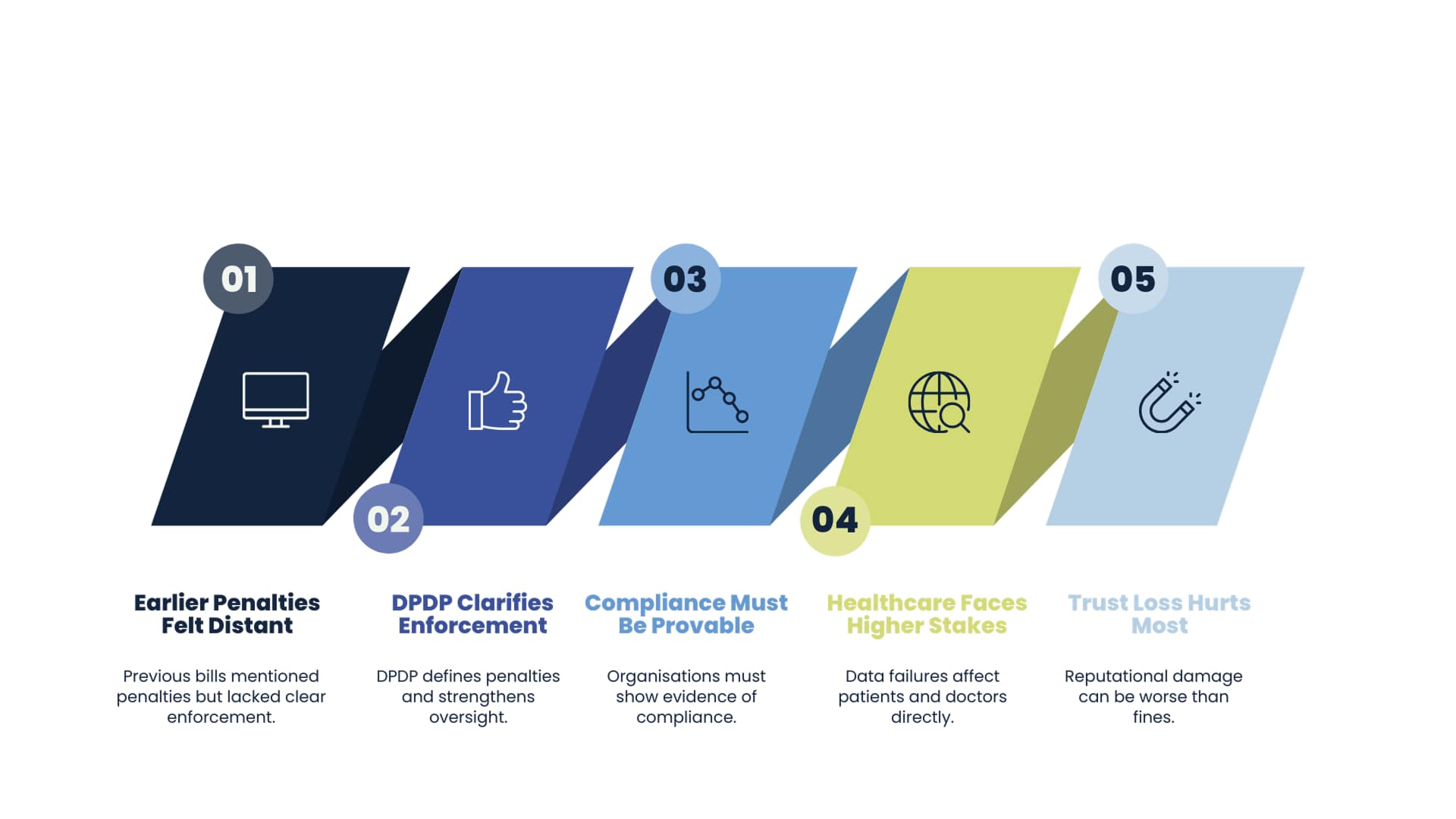
    The earlier Data Protection Bill discussed penalties, but enforcement mechanisms were less clear and often perceived as distant.

    DPDP introduces clearer penalty structures and a stronger enforcement posture. This does not mean penalties will be applied indiscriminately, but it does mean organisations must be prepared to demonstrate compliance.

    For healthcare organisations, reputational risk often outweighs financial penalties. A compliance failure involving patient or doctor data can damage trust quickly.

    Why DPDP Leaves Less Room for Interpretation


    One of the biggest differences healthcare leaders will notice is reduced ambiguity.

    The Data Protection Bill allowed room for interpretation and delayed readiness. DPDP is clearer about expectations and rights.

    Consent must exist. Purpose must be defined. Withdrawal must be respected. Accountability must be demonstrated.

    This clarity accelerates the need for action.

    Implications for AI and Data Analytics in Healthcare


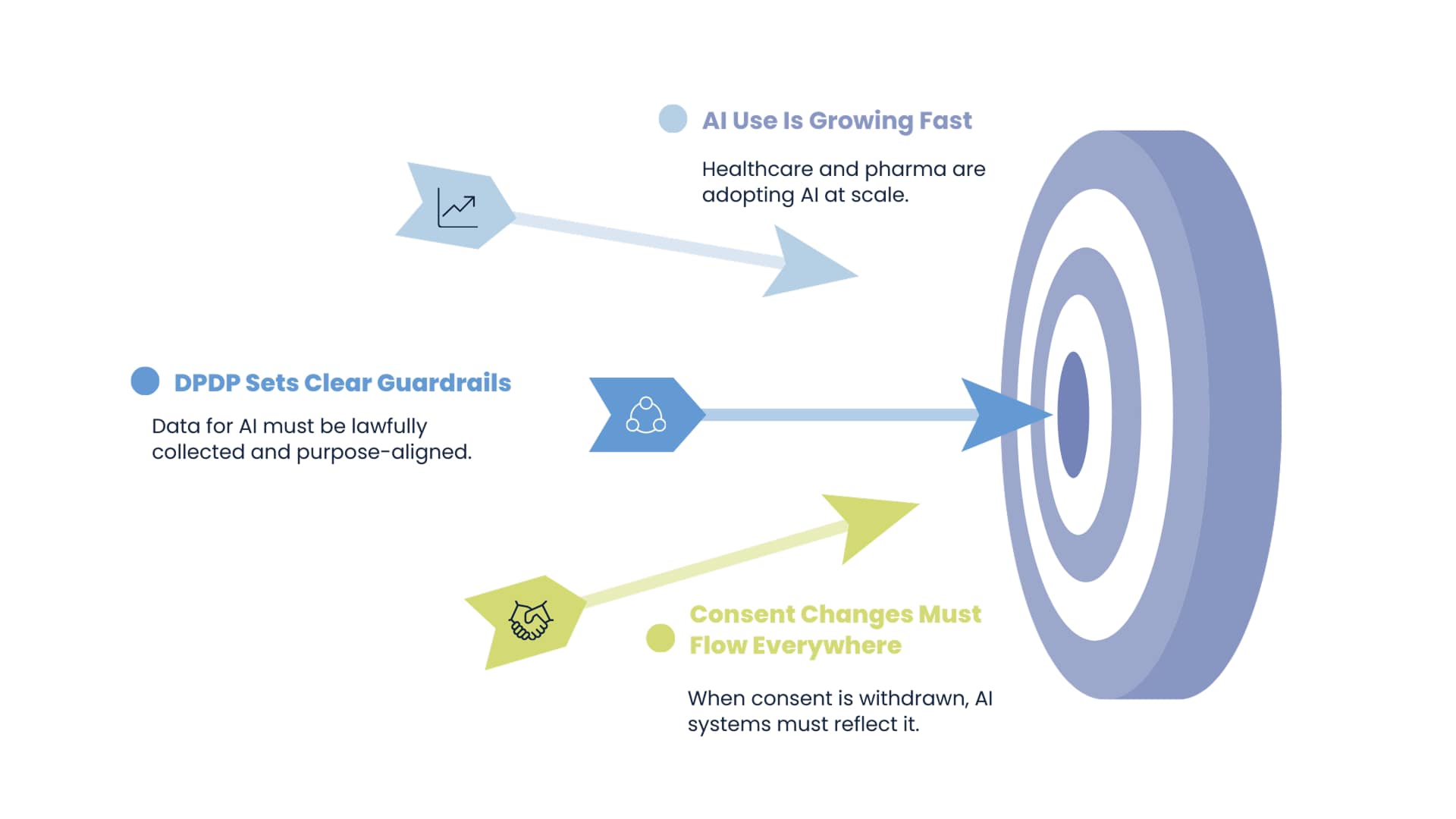
    AI adoption in healthcare and pharma has accelerated rapidly. The DPDP Act introduces guardrails that affect how AI models are trained and used.

    Data used for AI must be lawfully collected. AI outputs must align with the original purpose of data collection. Consent withdrawal must propagate across systems.

    The earlier bill discussed these ideas but did not create strong operational expectations. DPDP does.

    This forces healthcare organisations to integrate governance into AI strategy rather than treating it as a separate concern.

    Why Healthcare Can No Longer Delay Action


    During the Data Protection Bill phase, many healthcare organisations delayed major changes, expecting further revisions.

    DPDP removes that option.

    The law is active. Expectations are defined. Enforcement pathways exist.

    Healthcare organisations that continue to operate on legacy assumptions risk operational disruption, audits, and loss of trust.

    Frequently Asked Questions on Data Protection Bill vs DPDP Act

    What is the difference between the Data Protection Bill and DPDP Act?
    The DPDP Act is a simplified, enforceable law focused on digital personal data, whereas the earlier bill was broader and more complex.
    Does DPDP replace the Data Protection Bill?
    Yes. The DPDP Act replaces earlier draft bills and is now the governing law.
    Is DPDP Act applicable to healthcare organisations?
    Yes. Healthcare organisations process digital personal data and are directly covered.
    Did consent requirements change under DPDP?
    Yes. DPDP makes explicit, purpose-specific consent central to lawful data processing.
    Is doctor data treated differently under DPDP?
    No. Doctor data is personal data if it can identify an individual.
    Does DPDP affect existing healthcare CRMs?
    Yes. CRMs must support consent tracking and enforcement to remain compliant.
    Are penalties stricter under DPDP compared to the bill?
    DPDP introduces clearer penalty structures and stronger enforcement expectations.
    Does DPDP impact healthcare AI systems?
    Yes. AI systems using personal data must comply with DPDP requirements.
    Who is responsible for compliance under DPDP in healthcare?
    The healthcare organisation or pharma company acting as the data fiduciary is responsible.


    Closing Perspective and CTA


    The shift from the Data Protection Bill to the Digital Personal Data Protection Act marks a turning point for healthcare and pharma companies.

    What was once a future compliance consideration is now a present operational requirement. Healthcare organisations must move from policy level readiness to execution level discipline.

    If you are assessing how to operationalise DPDP-compliant HCP marketing and healthcare engagement, this page explains how consent-first, compliant workflows are being implemented in real-world environments.


  • Why Pre-DPDP Consent Models No Longer Work in Pharma – [Cloned #21157]

    Why Pre-DPDP Consent Models No Longer Work in Pharma – [Cloned #21157]

    Why Pre-DPDP Consent Models No Longer Work in Pharma


    For years, consent in pharma marketing was treated as a procedural formality rather than a living operational requirement. Once a doctor agreed to receive communication, that approval was assumed to apply indefinitely and across channels. Databases grew, campaigns scaled, and consent records remained largely unchanged in the background.

    The Digital Personal Data Protection Act 2023 changes this assumption completely.

    Pre-DPDP consent models were built for a different regulatory environment. They prioritised reach and speed over traceability and purpose control. Under DPDP, these models are no longer sufficient, and in many cases, they expose pharma companies to real compliance and operational risk.

    This article explains why traditional consent approaches fail under DPDP, what specifically breaks in existing pharma workflows, and how marketing teams must rethink consent as part of execution rather than documentation.

    How Consent Was Traditionally Handled in Pharma Marketing


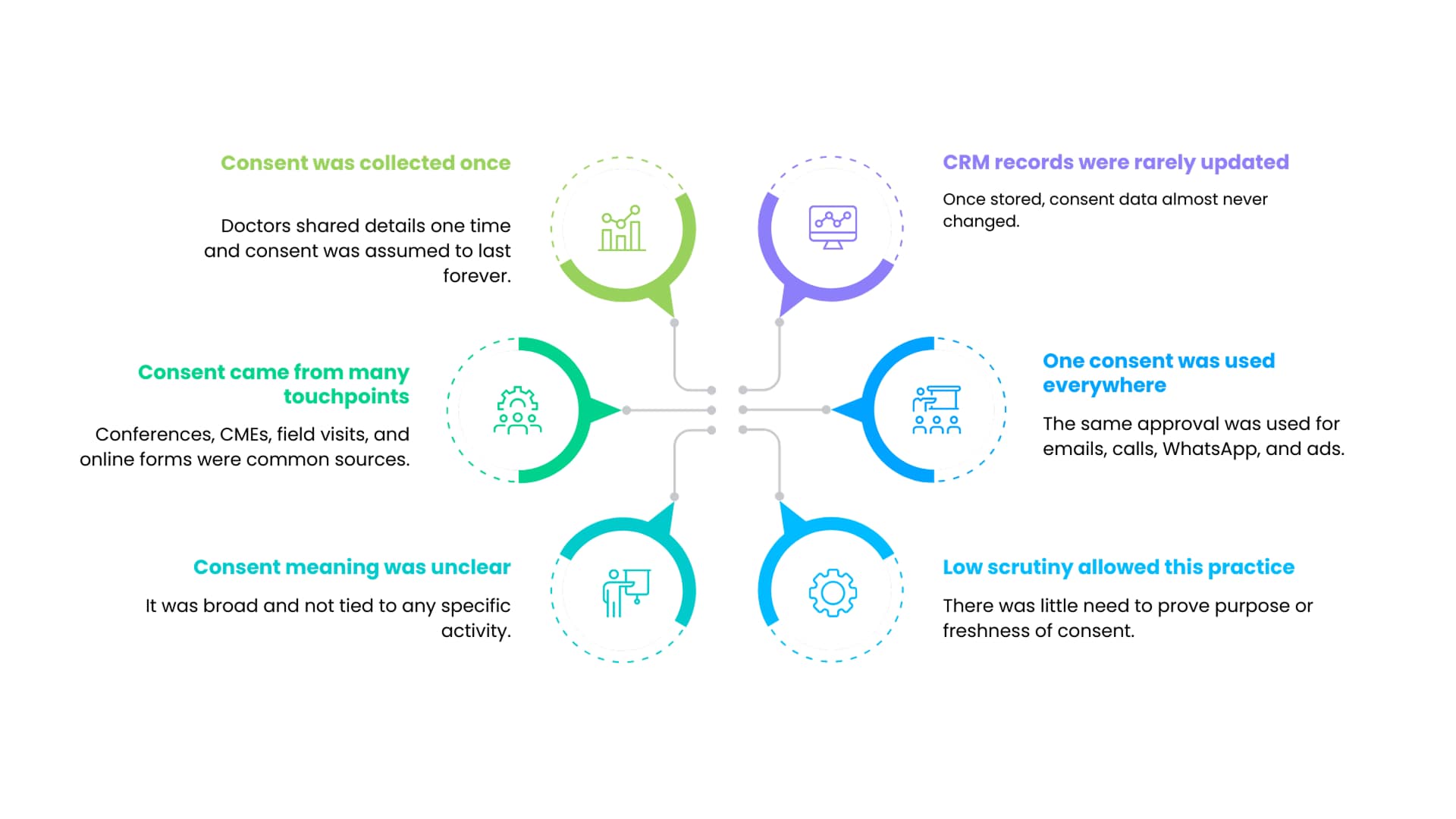
    Historically, consent in pharma marketing was often captured once and reused many times. Doctors provided contact details during conferences, CME programs, field force interactions, or online registrations. That consent was usually broad and loosely defined.

    Once stored in a CRM, the consent record rarely changed. It was assumed to apply to email, phone calls, WhatsApp messages, digital ads, and future campaigns that had not yet been designed.

    This model worked largely because regulatory scrutiny around digital data use was limited. There was little requirement to prove purpose alignment or consent freshness.

    DPDP invalidates this approach.

    What DPDP Changes About Consent Fundamentally


    DPDP introduces a stricter definition of valid consent. Consent must now be explicit, informed, specific to a purpose, and capable of being withdrawn easily.

    This changes the nature of consent from a static record to a dynamic control mechanism. Consent is no longer something captured at onboarding and forgotten. It becomes a condition that governs every instance of data use.

    For pharma marketing teams, this means consent must be checked at the point of execution, not just at the point of collection.

    Why Generic Opt-In Models Fail Under DPDP


    One of the most common legacy practices is the generic opt-in. A doctor agrees to receive communication from a pharma company, often without clarity on channel, content type, or duration.

    Under DPDP, such opt-ins are insufficient because they do not define purpose clearly. Consent for scientific updates does not automatically extend to promotional messaging. Consent for email does not automatically cover WhatsApp or SMS.

    Without purpose clarity, pharma companies cannot demonstrate lawful use of data if challenged.

    This is why pre-DPDP opt-in models no longer hold up under regulatory scrutiny.

    Channel Blind Consent Is No Longer Defensible


    Earlier consent models rarely distinguished between communication channels. Once a doctor’s contact details were available, teams assumed they could be used across platforms.

    DPDP requires channel specific consent. A doctor may be comfortable receiving email communication but not instant messaging. They may agree to digital content but not targeted advertising.

    Marketing systems that do not differentiate consent by channel risk violating DPDP requirements during execution.

    Consent Validity Over Time


    Another weakness of pre-DPDP consent models is the assumption of permanence. Consent captured years ago is often treated as valid indefinitely.

    DPDP challenges this assumption. Consent must remain relevant to the stated purpose. If the purpose evolves or expands, fresh consent may be required. If consent is withdrawn, processing must stop immediately.

    This introduces the concept of consent freshness and lifecycle management, which most legacy systems do not support.

    Impact on CRM and Campaign Automation


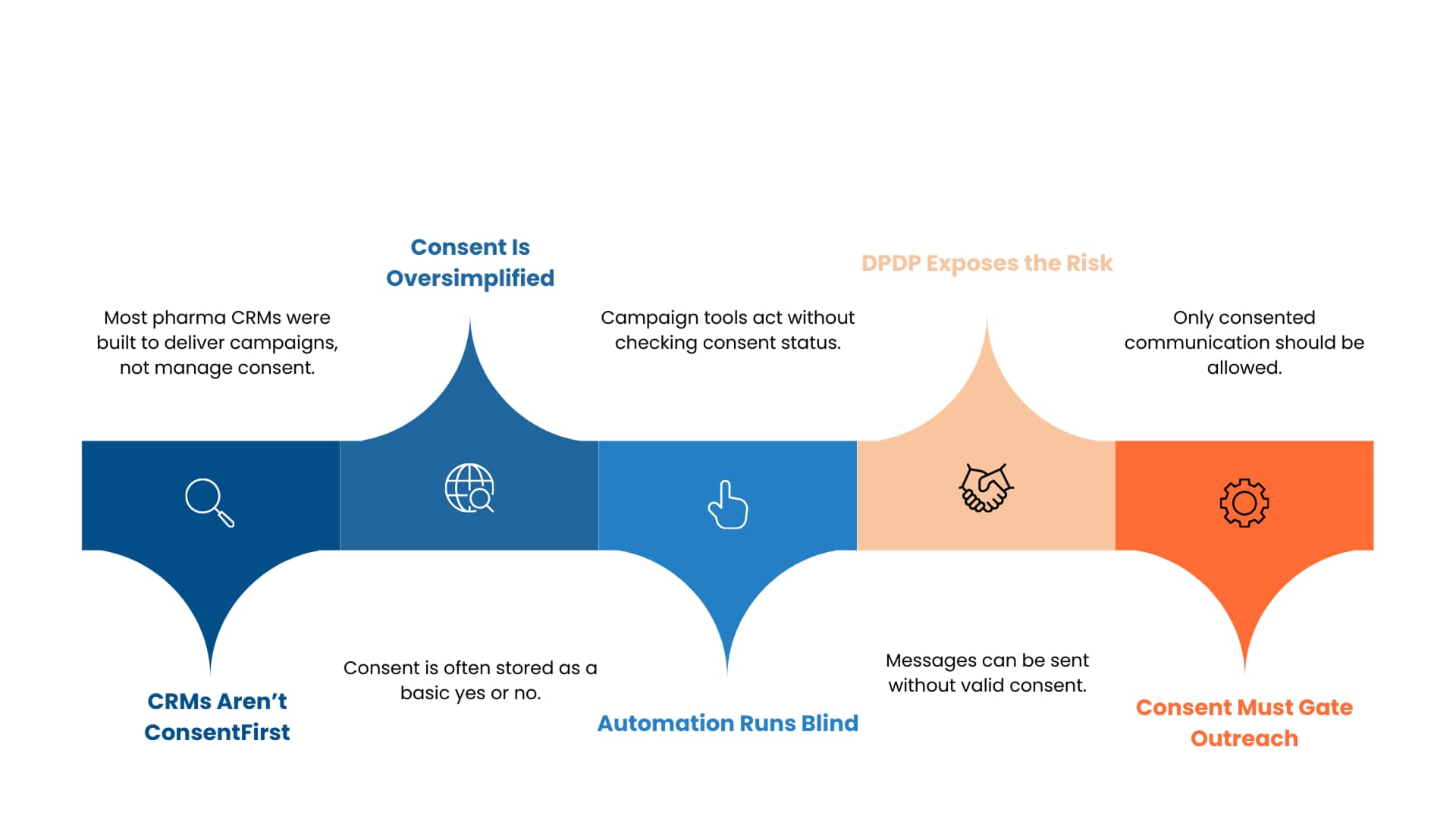
    Most pharma CRMs were designed to optimise segmentation and campaign delivery, not to enforce consent logic dynamically.

    Consent is often stored as a simple yes or no field, without purpose mapping or withdrawal workflows. Campaign automation tools then operate independently of consent context.

    Under DPDP, this separation creates risk. Marketing automation must be consent aware. Outreach must be blocked automatically where consent does not exist.

    This is where DPDP-compliant HCP marketing architectures become essential, because they integrate consent enforcement directly into campaign execution.

    Agencies and the Illusion of Delegated Consent Responsibility


    In many pharma organisations, agencies manage campaign execution and sometimes even data handling. This has created an illusion that agencies carry consent responsibility.

    DPDP does not support this view. The data fiduciary remains responsible for ensuring that consent is valid and enforced, regardless of who executes the campaign.

    Pre-DPDP consent models often fail because they rely on agency processes that are not designed for regulatory accountability.

    Why Pre-DPDP Consent Breaks During Audits


    Audits expose the weaknesses of legacy consent models.

    When asked to demonstrate how consent was obtained, for what purpose, and how it was enforced across systems, many teams struggle. Records are fragmented. Purpose definitions are vague. Withdrawal processes are manual or non-existent.

    DPDP raises expectations around auditability. Companies must be able to show not just that consent exists, but how it governs actual data use.

    Consent and AI Driven Marketing


    AI driven marketing adds another layer of complexity.

    AI models trained on historical data may continue to use signals derived from consent that is no longer valid. Without proper consent propagation, withdrawal requests may not reach downstream systems.

    Pre-DPDP consent models do not account for these complexities, making them unsuitable for AI enabled marketing environments.

    What a DPDP-Ready Consent Model Looks Like


    A DPDP ready consent model treats consent as an operational asset.

    Consent is captured with clear purpose definitions. It is mapped to specific channels. It is stored centrally and enforced across systems. Withdrawal is simple and effective.

    Marketing execution is designed around consent availability rather than bypassing it.

    This approach supports compliant scaling and reduces long term risk.

    Why Pharma Marketing Must Rethink Consent as Execution Logic


    Consent is no longer a legal document sitting in the background. It is part of execution logic.

    Campaign design, segmentation, automation, and personalisation must all respect consent constraints. This requires changes in how teams think about data and engagement.

    While this may feel restrictive initially, it ultimately leads to cleaner data, more relevant communication, and stronger trust with doctors.

    Frequently Asked Questions on Consent Under DPDP

    Why do pre-DPDP consent models fail in pharma marketing?
    They rely on generic, static consent that lacks purpose specificity and auditability.
    Is opt-in consent enough under DPDP Act?
    In most cases, no. Consent must be explicit, informed, and purpose specific.
    Does DPDP require channel specific consent?
    Yes. Consent must clearly cover the channel used for communication.
    Can old consent records be reused under DPDP?
    Only if they meet DPDP requirements for explicitness, purpose clarity, and withdrawal.
    Who is responsible for consent compliance in pharma marketing?
    The pharma company is responsible as the data fiduciary.
    Can consent be withdrawn under DPDP?
    Yes. Individuals have the right to withdraw consent at any time.
    Does DPDP affect WhatsApp and email campaigns?
    Yes. Both channels require valid consent aligned to purpose.
    How does DPDP impact AI driven doctor marketing?
    AI systems must respect consent scope and withdrawal across all data usage.
    Do CRMs support DPDP compliant consent models by default?
    Most traditional CRMs do not support purpose based, dynamic consent enforcement.


    Closing Perspective and CTA


    Pre-DPDP consent models were built for speed and scale, not for accountability. Under the Digital Personal Data Protection Act, these models are no longer sufficient.

    Pharma marketing teams must treat consent as a core execution control rather than a background formality. Those that redesign early will be able to operate with confidence and scale responsibly.

    If you are assessing how to move from legacy consent practices to DPDP-compliant HCP marketing, this page explains how consent-first doctor engagement is being operationalised in real pharma workflows.


  • DPDP Act Full Form And Why It Changes Doctor Marketing Forever

    DPDP Act Full Form And Why It Changes Doctor Marketing Forever

    DPDP Act Full Form And
    Why It Changes Doctor Marketing Forever

    The full form of DPDP is Digital Personal Data Protection Act. On the surface, this may sound like another regulatory acronym added to the long list pharma teams already deal with. In reality, DPDP represents one of the most consequential shifts doctor marketing has seen in decades.

    Unlike earlier guidelines or sector-specific advisories, DPDP fundamentally redefines how doctor data can be collected, stored, shared, and used. It does not simply add a layer of compliance. It changes the assumptions on which doctor engagement models were built.

    For pharma marketing teams, understanding the DPDP Act full form is only the starting point. What matters far more is understanding how this law permanently alters doctor databases, consent logic, CRM usage, omnichannel outreach, and accountability for marketing execution.

    This article explains why DPDP changes doctor marketing forever, not temporarily, and why going back to old models is no longer an option.

    What DPDP Actually Stands For in Practice


    Digital Personal Data Protection Act is the formal expansion of DPDP. But each word in that name carries practical consequences for pharma marketing.

    Digital means the law applies to data processed in digital form. This includes CRM systems, marketing automation platforms, WhatsApp campaigns, email tools, data warehouses, AI models, and analytics systems.

    Personal data refers to any data that can identify an individual. In pharma marketing, this clearly includes doctor names, phone numbers, email addresses, clinic locations, engagement history, digital identifiers, and in many cases inferred preferences.

    Protection is not limited to storage security. It includes how data is collected, why it is collected, how it is used, who it is shared with, and when it must be deleted.

    Act means this is enforceable law, not guidance. The expectations apply regardless of intent, scale, or legacy practices.

    When combined, DPDP does not just regulate data handling. It reshapes how doctor marketing must be designed from the ground up.

    Why Doctor Marketing Is Directly in DPDP’s Scope


    There is a persistent misconception that DPDP primarily targets consumer businesses or large technology platforms. This belief has led some pharma teams to underestimate its relevance.

    Doctor marketing sits squarely within DPDP’s scope because doctors are identifiable individuals and their data is processed digitally for commercial purposes. Whether the intent is scientific education, brand communication, or engagement analytics, the underlying data is personal data under the law.

    Even if the data is professionally oriented, it does not lose its personal nature. DPDP does not distinguish between personal and professional identities in the way older data practices often assumed.

    As a result, traditional justifications such as “this is B2B data” or “this is industry practice” no longer hold legal weight.

    How Doctor Marketing Worked Before DPDP


    To understand why DPDP changes everything, it is important to acknowledge how doctor marketing typically evolved over time.

    Doctor data was aggregated from conferences, third-party vendors, field force interactions, online portals, and partner ecosystems. Databases grew over years, often without clear records of original consent or purpose.

    Marketing teams focused on reach, frequency, and segmentation. Consent, when present, was usually broad and static. Once captured, it was rarely revisited. Campaign execution prioritised speed and scale.

    This model functioned largely because regulatory scrutiny around data usage was limited and enforcement was minimal.

    DPDP dismantles this foundation.

    Why the DPDP Act Full Form Signals a Permanent Shift


    DPDP is not a transitional regulation that can be waited out. It represents India’s alignment with global data protection thinking while introducing its own accountability structure.

    What makes DPDP particularly disruptive for doctor marketing is that it does not allow grandfathering of non-compliant data. Existing databases are not automatically legitimised. Legacy practices are not protected by historical norms.

    This means pharma companies must actively reassess what data they hold, why they hold it, and whether they are entitled to use it in the way they currently do.

    This shift is permanent because it is embedded into how data rights are defined and enforced going forward.

    Consent Under DPDP Changes the Logic of Doctor Engagement


    Consent is the single most misunderstood aspect of DPDP in pharma marketing.

    Earlier models treated consent as a one-time gateway. Once a doctor agreed to receive communication, their data flowed freely across channels and campaigns.

    DPDP replaces this with a more granular and dynamic model. Consent must be explicit, informed, purpose-specific, and revocable. This means consent is no longer a static attribute of a doctor record. It is a live condition that governs every interaction.

    For example, consent to receive scientific updates does not automatically extend to promotional messages. Consent for email does not automatically cover WhatsApp. Consent given two years ago may no longer be valid if the purpose has evolved.

    This fundamentally alters how campaigns must be planned and executed.

    Why CRM Systems Alone Are No Longer Enough


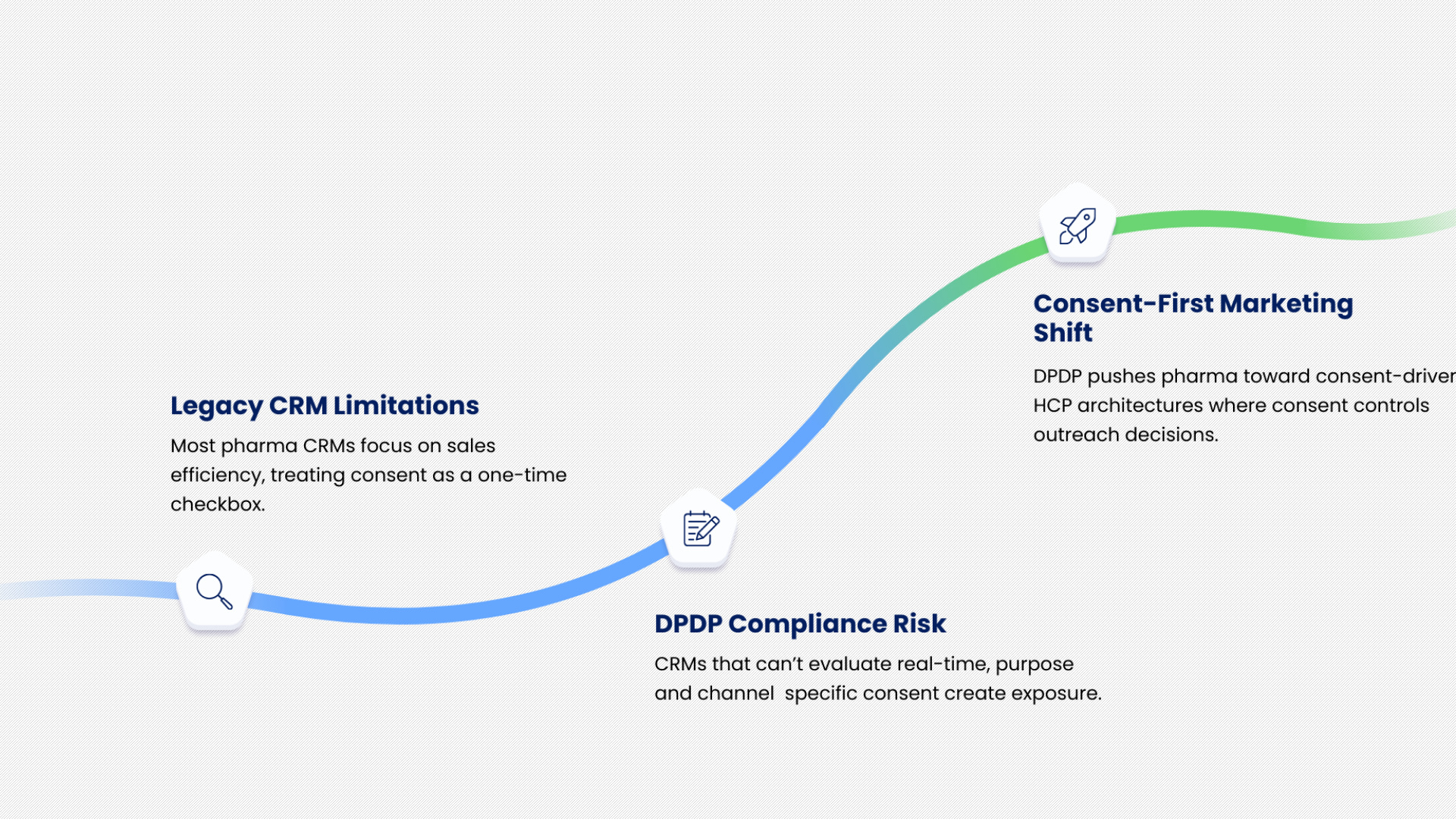
    Many pharma CRMs were designed to optimise sales force productivity and campaign reach. Consent, if captured, was often treated as a compliance checkbox rather than an operational control. DPDP exposes this limitation. A CRM that cannot dynamically evaluate consent at the moment of outreach creates risk. A CRM that cannot map consent to specific purposes or channels cannot support DPDP-compliant execution. This is why DPDP pushes pharma marketing toward consent-first HCP marketing architectures, where consent intelligence is embedded into campaign decisioning rather than layered on top.

    Omnichannel Doctor Marketing After DPDP


    Omnichannel engagement has been a major focus for pharma marketing over the past decade. DPDP does not eliminate omnichannel strategies, but it enforces discipline in how they are applied.

    Each channel now requires explicit permission. Each campaign requires purpose alignment. Each interaction must be defensible.

    This means that blasting the same message across email, WhatsApp, and digital ads without channel-specific consent is no longer viable. Campaigns must be narrower, more deliberate, and better governed.

    While this may reduce superficial reach, it significantly improves quality and sustainability of engagement.

    Agencies, Vendors, and Shared Responsibility Myths


    Another area where DPDP changes long-standing assumptions is agency accountability.

    In many organisations, marketing execution is heavily outsourced. Agencies run campaigns, manage data flows, and operate marketing tools. This has led to a belief that agencies absorb compliance risk.

    DPDP does not support this belief.

    The data fiduciary, usually the pharma company, remains accountable for how personal data is processed. Agencies become data processors operating under defined instructions.

    This means pharma companies must take greater ownership of how agencies handle doctor data, including consent verification, data sharing, and audit readiness.

    DPDP and AI Driven Doctor Marketing


    AI is increasingly used to personalise content, recommend next best actions, and optimise engagement timing. These capabilities rely heavily on personal data and behavioural signals.

    DPDP does not ban AI usage. But it raises expectations around data provenance, purpose limitation, and consent propagation.

    If a doctor withdraws consent, that withdrawal must reflect across CRM systems, marketing tools, and AI models. If data was collected for one purpose, AI outputs cannot quietly extend it into another.

    This pushes pharma teams to think about AI governance as part of marketing design, not just technology deployment.

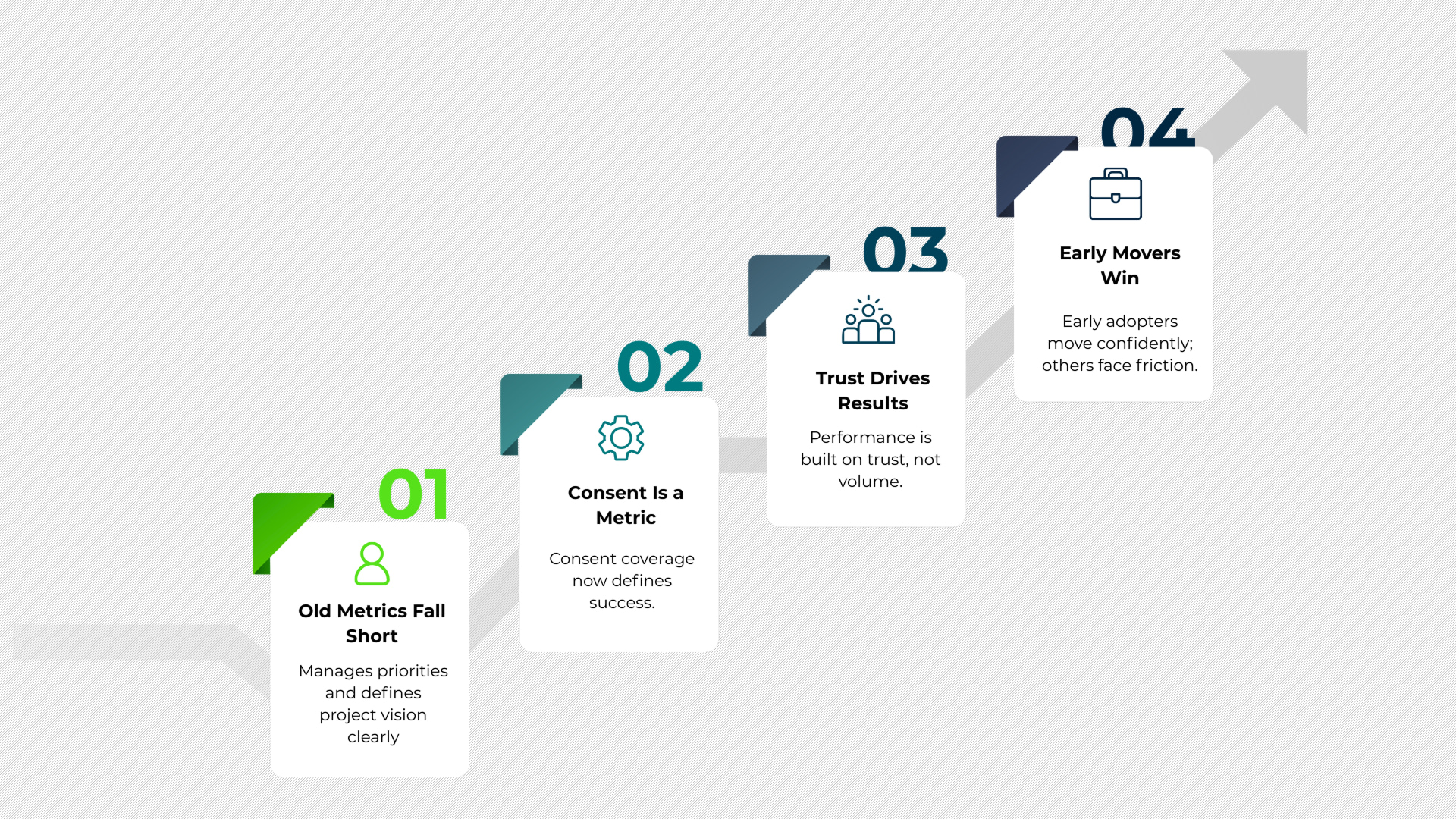
    Why DPDP Forces a Rethink of Marketing Metrics


    Traditional marketing metrics focused on reach, opens, clicks, and frequency. DPDP introduces a new dimension that cannot be ignored.

    Consent coverage becomes a critical metric. Auditability becomes a requirement. Data lineage matters as much as campaign performance.

    This shifts success from volume driven metrics to trust driven execution.

    Teams that adapt early will find it easier to operate confidently. Teams that delay will face increasing friction as audits, partner scrutiny, and regulatory expectations rise.

    What Pharma Marketing Leaders Should Do Now


    The most effective response to DPDP is proactive redesign, not reactive compliance.

    Marketing leaders should start by mapping all doctor data sources and understanding consent gaps. They should evaluate whether their current tools can support purpose based consent enforcement. They should align agencies, legal teams, and IT around shared accountability.

    Most importantly, they should recognise that DPDP is not a temporary hurdle. It is the new operating environment.

    Why DPDP Changes Doctor Marketing Forever


    DPDP permanently changes doctor marketing because it alters the power balance around data. Doctors gain clearer rights. Pharma companies gain clearer responsibilities. Systems and workflows must adapt.

    This is not about avoiding penalties. It is about building marketing operations that can scale without hidden risk.

    Teams that continue to rely on legacy practices will find those practices increasingly fragile. Teams that invest in compliant foundations will gain long-term stability.

    Frequently Asked Questions on DPDP and Doctor Marketing

    What is the full form of DPDP Act?
    DPDP stands for Digital Personal Data Protection Act. It is India’s law governing how digital personal data can be collected, processed, stored, and used.
    Does the DPDP Act apply to pharma companies?
    Yes. Pharma companies process digital personal data of doctors and patients, which brings them directly under the scope of the DPDP Act.
    Does DPDP apply to doctor data used for marketing?
    Yes. Doctor names, phone numbers, email IDs, clinic details, and engagement data qualify as personal data under DPDP.
    Is doctor data considered personal data under DPDP Act?
    Yes. Any data that can identify a doctor as an individual is treated as personal data, even if it is used for professional communication.
    Is consent mandatory for doctor marketing under DPDP?
    Yes. DPDP requires explicit, informed, and purpose-specific consent before using doctor data for marketing or engagement activities.
    Is opt-in consent sufficient under DPDP Act?
    In most cases, no. Generic opt-in consent does not meet DPDP requirements unless it is explicit, clearly scoped, and purpose-bound.
    Can pharma companies still do WhatsApp marketing under DPDP?
    Yes, but only if explicit consent exists for WhatsApp as a channel and for the specific purpose of communication.
    Who is responsible for DPDP compliance in pharma marketing?
    The pharma company is responsible as the data fiduciary, even if agencies or vendors execute campaigns.
    Do existing pharma CRMs support DPDP compliance?
    Most traditional CRMs do not natively support purpose-based consent tracking and enforcement, which creates compliance gaps.
    Can DPDP penalties apply even if an agency handles the data?
    Yes. Liability remains with the pharma company if DPDP requirements are violated.


    Closing Perspective and CTA

    Understanding the DPDP Act full form is only the first step. The real challenge lies in translating that understanding into daily marketing execution.

    Doctor engagement under DPDP requires consent first thinking, stronger data governance, and marketing systems designed for accountability.

    If you are evaluating how to run doctor engagement and HCP marketing under DPDP without disrupting growth, this page outlines how DPDP-compliant HCP marketing is being implemented in practice.


  • DPDP Act 2023 Explained For Pharma Marketing Teams

    DPDP Act 2023 Explained For Pharma Marketing Teams

    DPDP Act 2023 Explained For Pharma Marketing Teams

    The Digital Personal Data Protection Act, 2023 has quietly but fundamentally changed how pharmaceutical marketing operates in India. While many discussions around DPDP focus on legal interpretation, fines, or policy language, the real impact of this law is being felt much closer to the ground. It is reshaping how doctor data is collected, how campaigns are executed, how agencies operate, and how accountability is distributed inside pharma organizations.

    For pharma marketing teams, DPDP is not a future compliance exercise or a document to be handled only by legal or IT. It is an operational reality that now governs everyday activities such as maintaining doctor databases, running email and WhatsApp campaigns, deploying CRM systems, and using AI for personalization.

    This article explains DPDP Act 2023 in practical terms for pharma marketing teams, without legal jargon and without oversimplification.

    Why DPDP Matters Specifically to Pharma Marketing


    Pharma companies sit in a unique position when it comes to data. Unlike many consumer businesses, pharma marketing involves regulated products, professional audiences, sensitive contexts, and a long history of data being shared across vendors, agencies, and internal systems.

    For years, doctor data was treated as a commercial asset. Databases were purchased, enriched, exchanged, segmented, and activated across channels with minimal scrutiny. Consent was often assumed, bundled, or implied through professional interactions.

    DPDP changes this foundation.

    Under DPDP, most of the data used in pharma marketing qualifies as personal data. This includes doctor names, phone numbers, email IDs, location details, digital identifiers, engagement history, and even inferred preferences when linked back to an individual.

    This is why DPDP-compliant HCP marketing is no longer optional but foundational to how pharma engagement must be designed and executed.

    What the DPDP Act 2023 Actually Says in Simple Termsa

    At its core, the DPDP Act governs how digital personal data can be processed. Processing includes collection, storage, sharing, analysis, and use.

    The law introduces three concepts that matter deeply to marketing teams.

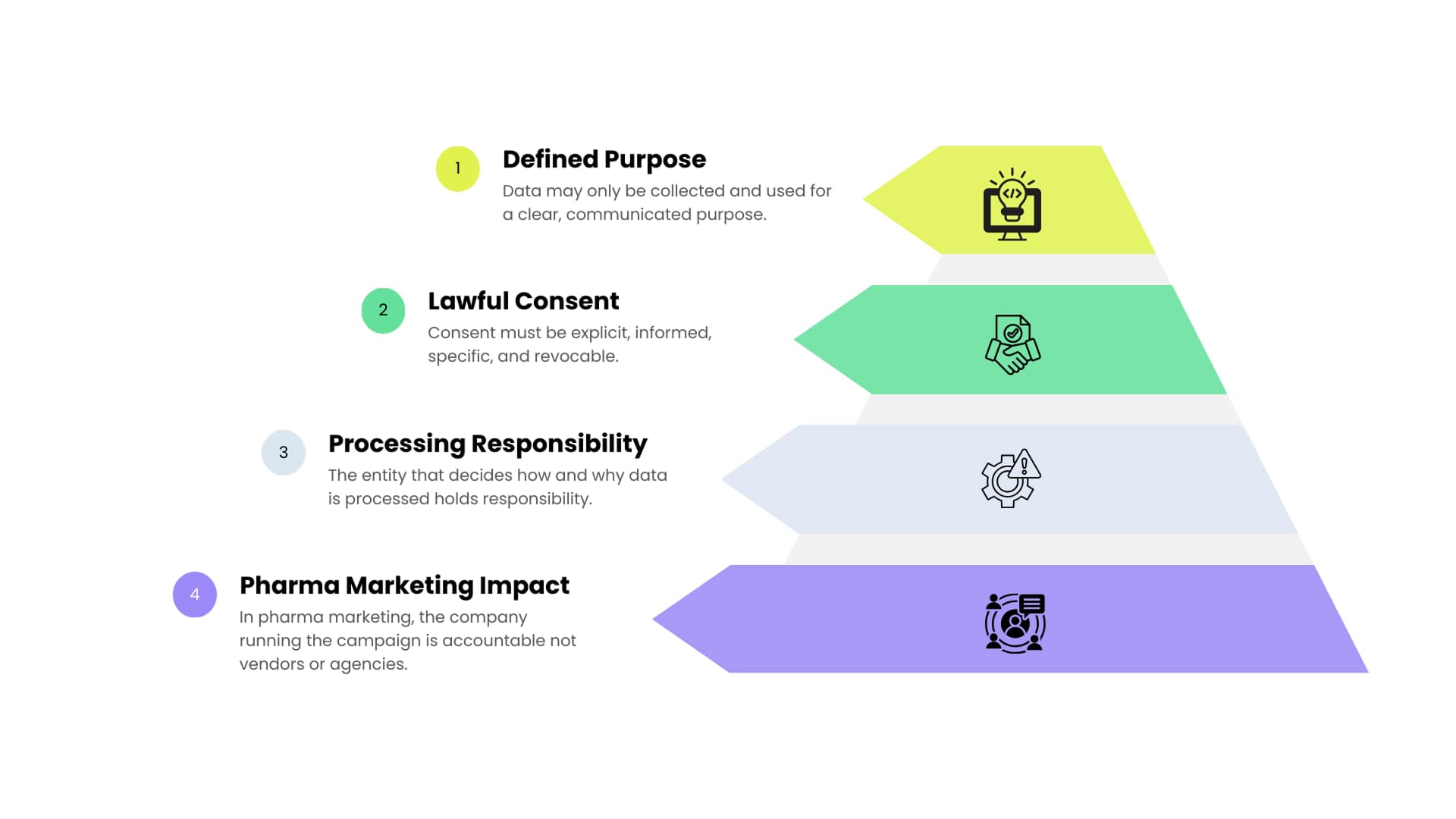
    First, the idea of purpose limitation. Data can only be collected and used for a clearly defined purpose that has been communicated to the individual.

    Second, consent as the primary legal basis. Consent must be explicit, informed, specific, and capable of being withdrawn.

    Third, accountability of the data fiduciary. The entity that decides why and how data is processed is responsible for compliance, regardless of how many vendors or agencies are involved.

    For pharma marketing, this means the company running the campaign is accountable, not the CRM vendor, not the digital agency, and not the data supplier.

    DPDP Act Full Form and Why It Signals a Structural Shift


    DPDP stands for Digital Personal Data Protection Act.

    This is not just another data protection guideline or advisory. It is a binding law that signals India’s move toward stricter governance of digital data, closer to global regimes like GDPR, but with its own structure and enforcement philosophy.

    What makes DPDP particularly impactful for pharma is that it arrives at a time when marketing execution has become deeply data driven. CRM systems, omnichannel platforms, AI driven segmentation, and automated outreach are now central to commercial success.

    DPDP does not ban these practices. But it forces them to mature.

    How Pharma Marketing Worked Before DPDP


    To understand the change, it helps to be honest about how marketing workflows typically functioned earlier.

    Doctor databases were often sourced from multiple vendors and merged into a central CRM. Consent, if tracked at all, was usually generic and static. Campaigns were designed around reach, frequency, and segmentation logic rather than consent status. Agencies ran digital campaigns with limited visibility into how data had been sourced or whether permissions were current.

    In this model, compliance was largely assumed. The risk was considered low, enforcement was minimal, and accountability was diffused.

    DPDP makes this model untenable.

    How DPDP Changes Doctor Databases

     
    One of the first areas where DPDP has a direct impact is doctor databases.

    Under DPDP, it is no longer enough to know that a doctor’s data came from a reputed vendor or a long standing source. What matters is whether the data was collected lawfully, whether consent exists for the current use case, and whether that consent can be demonstrated.

    Marketing teams now need answers to questions that were previously ignored. When was consent obtained. For what purpose. Through which channel. Is the consent still valid. Can it be withdrawn easily.

    Databases that cannot answer these questions carry real risk.

    Consent Under DPDP Is Not the Same as Opt In


    One of the most common misunderstandings in pharma marketing today is equating opt in with DPDP compliant consent.

    Opt in typically refers to a one time agreement, often bundled into a form or interaction. DPDP requires something more specific. Consent must be explicit, meaning the individual has clearly agreed. It must be informed, meaning they understand how their data will be used. It must be purpose specific, meaning consent for one activity does not automatically apply to others.

    For example, consent to receive scientific updates does not automatically cover promotional messaging, surveys, or AI driven personalization.

    This distinction has major implications for campaign planning and execution, especially for teams running multi channel doctor engagement programs.

    Impact on CRM Systems Used by Pharma Companies


    Many pharma CRMs were designed in an era where data governance was secondary to sales enablement. They excel at segmentation, campaign automation, and performance tracking, but often lack native consent intelligence.

    DPDP exposes this gap.

    A CRM that cannot dynamically check consent status before triggering outreach becomes a liability. A CRM that stores consent as a static field without purpose mapping or withdrawal logic is not sufficient.

    This is where modern DPDP compliant HCP marketing workflows become critical, because consent must travel with the data across CRM, campaign tools, and engagement channels.

    Omnichannel Marketing Under DPDP


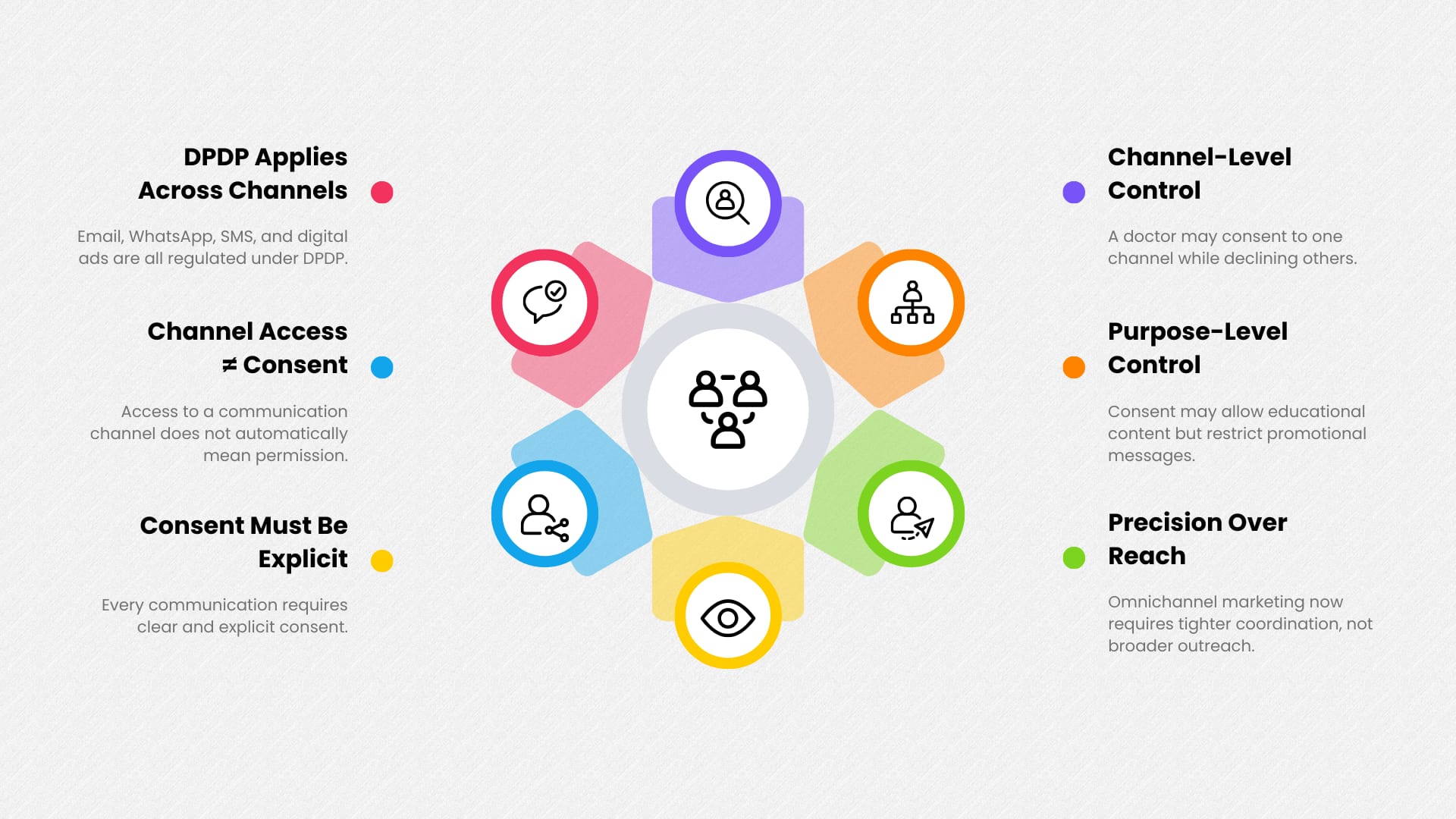
    Email, WhatsApp, SMS, and digital ads are all affected by DPDP.

    The key shift is that channel access alone is no longer enough. Permission must be tied to both the channel and the purpose.

    A doctor may consent to receive email communication but not WhatsApp messages. They may consent to educational content but not brand promotion. DPDP requires these distinctions to be respected in execution.

    This means omnichannel marketing needs tighter orchestration, not broader reach.

    Role of Agencies and Vendors After DPDP


    Another area where confusion persists is agency responsibility.

    While agencies execute campaigns, DPDP places primary accountability on the data fiduciary. In most cases, that is the pharma company.

    This does not mean agencies are irrelevant. It means pharma companies must ensure that agencies operate within clearly defined, DPDP compliant workflows. Data sharing agreements, consent verification mechanisms, and audit readiness all become essential.

    Outsourcing execution does not outsource liability.

    DPDP in the Context of AI and Personalization


    AI is increasingly central to pharma marketing, from next best action engines to content personalization.

    DPDP does not prohibit AI. But it raises the bar for data governance. Training data must be lawful. Outputs must respect the original purpose of data collection. Consent withdrawal must propagate across AI systems, not just databases.

    This requires closer alignment between marketing, data, and technology teams.

    What DPDP Means for Daily Marketing Decisions


    At a practical level, DPDP forces marketing teams to slow down slightly and think more deliberately.

    Before launching a campaign, teams must ask whether the data being used is consented for this purpose. Before expanding to a new channel, they must consider whether consent covers that channel. Before onboarding a new vendor, they must evaluate data handling practices.

    This shift directly affects how HCP marketing programs are designed under DPDP, especially when scale and automation are involved.

    Closing Perspective and CTA


    DPDP Act 2023 is not a legal footnote for pharma marketing teams. It is a structural shift in how doctor engagement must be designed, executed, and governed.

    Pharma companies that invest early in consent first data foundations, compliant CRM workflows, and audit ready engagement models will operate with far greater confidence in the coming years.

    If you are evaluating how to run doctor engagement and HCP marketing under DPDP without increasing operational risk, this page explains how compliant, execution ready HCP marketing is being implemented in practice.

    Frequently Asked Questions on Purpose Limitation Under DPDP

    What is DPDP Act 2023 in simple terms?
    DPDP Act 2023 is India’s law that regulates how digital personal data can be collected, stored, processed, and used, including data used for pharma marketing and doctor engagement.
    Does DPDP Act apply to pharma marketing teams?
    Yes. Pharma marketing teams process doctor and patient data digitally, which brings their activities directly under the DPDP Act.
    Is doctor data considered personal data under DPDP Act?
    Yes. Doctor names, phone numbers, email IDs, clinic details, and engagement history qualify as personal data if they can identify an individual.
    Can pharma companies market to doctors under DPDP Act?
    Yes. DPDP does not ban doctor marketing, but it requires explicit, purpose-specific consent and compliant data handling practices.
    Is consent mandatory under DPDP for doctor marketing?
    Yes. Explicit consent is required before using doctor data for marketing, communication, or engagement activities.
    What is explicit consent under DPDP Act?
    Explicit consent means a clear, informed, and affirmative agreement by the doctor for a specific purpose, with the ability to withdraw consent at any time.
    Is opt-in consent enough under DPDP Act?
    In most cases, no. Generic opt-in consent without purpose clarity or auditability does not meet DPDP requirements.
    Does DPDP Act affect existing doctor databases?
    Yes. Existing databases must be reviewed to ensure lawful collection, valid consent, and purpose alignment. Legacy data is not automatically compliant.
    Who is responsible for DPDP compliance in pharma marketing?
    The pharma company is responsible as the data fiduciary, even if agencies, vendors, or CRM platforms are involved.
    Can pharma companies still use WhatsApp and email marketing under DPDP?
    Yes, but only if explicit consent exists for the specific channel and purpose of communication.
    Does DPDP Act impact pharma CRM systems?
    Yes. CRMs must support consent tracking, purpose mapping, and consent enforcement to avoid compliance gaps.
    Are marketing agencies liable under DPDP Act?
    Agencies act as data processors, but primary liability remains with the pharma company that determines how and why data is used.
    What happens if consent is withdrawn by a doctor?
    Once consent is withdrawn, the pharma company must stop processing the data for that purpose across all systems and channels.
    Does DPDP Act apply to AI-driven pharma marketing?
    Yes. AI models using doctor data must comply with DPDP requirements, including lawful data use, consent scope, and purpose limitation.
    What are the risks of DPDP non-compliance for pharma marketing teams?
    Risks include penalties, audits, campaign disruption, reputational damage, and loss of trust with doctors.
  • Purpose Limitation Under DPDP: Why Reusing Doctor Data Is Risky

    Purpose Limitation Under DPDP: Why Reusing Doctor Data Is Risky

    Purpose Limitation Under DPDP:
    Why Reusing Doctor Data Is Risky

    For years, reusing doctor data across campaigns was considered efficient pharma marketing. Once a doctor was added to a database, the data was reused for multiple purposes, channels, and initiatives. Educational campaigns fed promotional outreach. Conference registrations triggered digital marketing. Engagement history informed analytics and AI models.

    Under the Digital Personal Data Protection Act 2023, this behaviour becomes one of the highest risk areas for pharma companies.

    Purpose limitation is a foundational principle of DPDP. It requires that personal data be collected and used only for a clearly defined purpose and not reused beyond that purpose without fresh justification and consent.

    This article explains purpose limitation in a pharma context, why reusing doctor data is now risky, and how pharma organisations must redesign engagement workflows to remain compliant at scale.

    What Purpose Limitation Means Under DPDP


    Purpose limitation under DPDP means that personal data must be collected for a specific, lawful purpose and processed only for that purpose.

    Data cannot be reused simply because it is available. Each use must align with the purpose communicated to the data principal at the time of consent.

    If the purpose changes, expands, or evolves, new consent may be required.

    This principle forces organisations to think carefully about why data is collected and how it will be used over time.

    Why Purpose Limitation Matters More in Pharma


    Pharma marketing involves multiple overlapping objectives.

    Educational outreach, brand promotion, medical updates, market research, and analytics often rely on the same doctor data. Historically, this overlap encouraged reuse.

    DPDP recognises that such reuse can undermine individual control over data.

    Doctors may consent to one type of engagement but not another. Reusing data without respecting this distinction violates purpose limitation.

    Common Examples of Risky Data Reuse in Pharma


    Several common practices create risk under DPDP.

    Doctor data collected during conference registrations is reused for promotional campaigns without explicit consent. Email consent for educational updates is used to trigger WhatsApp messages. Engagement analytics data is fed into AI models without clear consent for such processing.

    Each of these cases represents purpose expansion without renewed consent. Under DPDP, intent does not matter. Alignment with consent does.

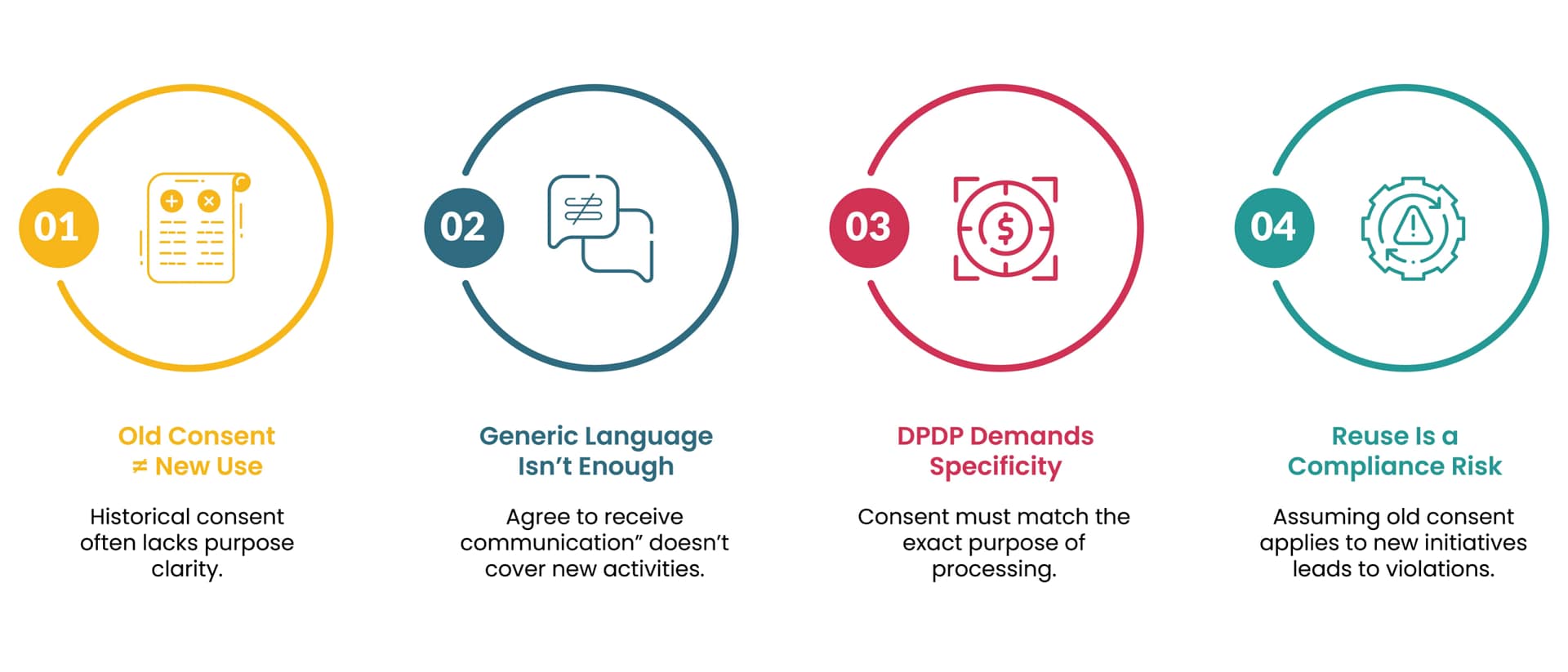
    Why Historical Consent Does Not Justify Reuse

    Many pharma companies rely on historical consent to justify reuse.
    Consent captured years ago rarely specifies detailed purposes. It often uses generic language such as agreeing to receive communication.

    DPDP requires purpose specificity. Historical consent that lacks clarity cannot justify reuse for new purposes.

    Assuming that old consent covers new initiatives is a common compliance failure.

    Purpose Limitation and Channel Expansion


    Channel expansion is a frequent trigger for purpose violations.

    A doctor may consent to receive email communication for educational content. That consent does not automatically extend to WhatsApp or digital ads.

    Using the same data across new channels without fresh consent violates purpose limitation. Pharma teams must treat channel changes as potential purpose changes.

    Purpose Limitation and Analytics


    Analytics often operate in the background, making purpose violations less visible.

    Doctor engagement data collected for communication is often reused for analytics, profiling, or performance scoring. If consent does not clearly cover analytics use, this reuse is risky.

    DPDP applies equally to analysis and outreach. Processing includes analysing data, not just sending messages.

    AI Models and Purpose Drift


    AI systems amplify purpose drift.

    Data collected for one purpose is often reused to train models for another. Engagement data feeds prediction models. Behavioural data informs targeting algorithms.

    Without explicit consent covering AI processing, this reuse violates purpose limitation. Pharma companies must scrutinise AI use cases carefully.

    Purpose Limitation and Internal Data Sharing


    Internal sharing of doctor data across teams can also violate purpose limitation.

    Marketing teams may share data with analytics teams. Medical teams may access engagement data for insights. Commercial teams may reuse data for targeting.

    If these uses go beyond the original purpose, they require fresh consent or justification. Internal use is not exempt under DPDP.

    Why Purpose Limitation Is Hard Operationally

    Purpose limitation is difficult because it requires clarity and discipline.
    Many organisations lack clear purpose definitions. Data flows are complex. Systems are interconnected.

    Legacy architectures were built for reuse, not restriction. DPDP forces organisations to rethink these architectures

    Designing Purpose Specific Data Collection


    The solution begins at collection.

    Consent language should clearly define the purpose. Data collection forms should align with that purpose.

    Avoid collecting data for vague future use. If future use is anticipated, it should be disclosed and consented to explicitly.

    Clear upfront definition reduces downstream risk.

    Managing Multiple Purposes Per Doctor


    Doctors often engage for multiple reasons.

    Rather than reusing data, organisations should manage multiple consents tied to different purposes. This allows flexibility without violating DPDP.

    Purpose specific consent models require more sophistication but provide stronger compliance.

    Enforcing Purpose Limitation at Execution


    Purpose limitation must be enforced at execution, not just defined at collection.

    Before data is used, systems should validate that the purpose of use matches consent.

    Campaign tools, analytics platforms, and AI systems must respect purpose boundaries automatically.

    Manual checks do not scale.

    This is where DPDP-compliant HCP marketing architectures become essential. They enforce purpose limitation across execution layers.

    Handling Legacy Data Reuse Risks


    Legacy data reuse is one of the biggest DPDP risks.

    Organisations must audit how doctor data is currently reused. High risk reuse should be paused until consent is refreshed.

    Re consent campaigns can be used to legitimise reuse where appropriate. Ignoring legacy reuse is not safe.

    Purpose Limitation and Vendor Data Use


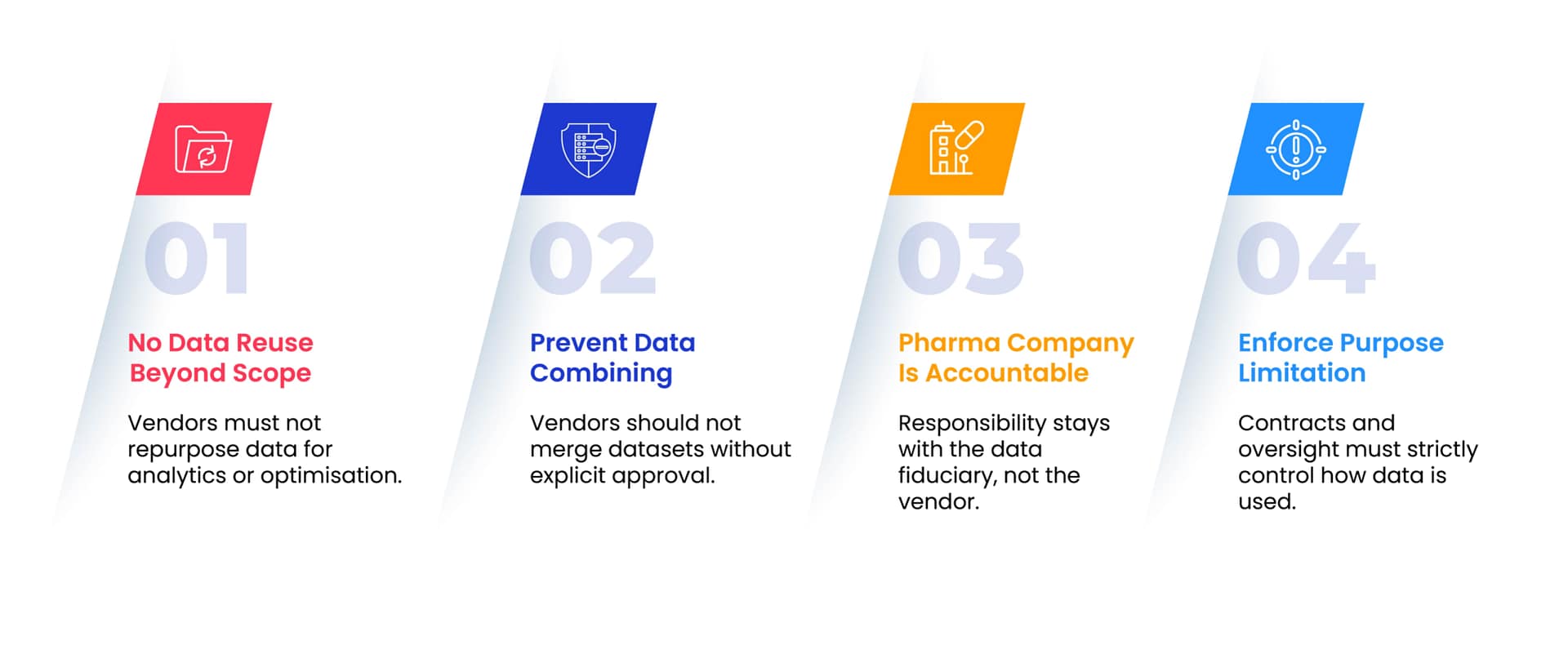
    Vendors often reuse data beyond initial scope.

    Agencies may use data for analytics. Platforms may retain data for optimisation. Vendors may combine datasets.

    As data fiduciary, the pharma company remains responsible.

    Vendor contracts and oversight must enforce purpose limitation strictly.

    Auditing Purpose Limitation Compliance


    Auditors will examine whether data use aligns with stated purpose.

    They may ask how consent language maps to actual use. They may review campaign logs and analytics workflows.

    Being able to demonstrate purpose enforcement strengthens compliance posture.

    Cultural Shift Required for Purpose Discipline


    Purpose limitation requires a cultural shift.

    Teams must stop viewing data as a reusable asset and start viewing it as purpose bound permission.

    This requires leadership support, training, and system redesign.

    Why Purpose Limitation Improves Trust


    Doctors value transparency.

    Using data only for agreed purposes reduces complaints and improves trust. Over time, this leads to more sustainable engagement.

    Compliance and trust are aligned outcomes.

    Frequently Asked Questions on Purpose Limitation Under DPDP

    What is purpose limitation under DPDP Act?
    It means data can only be used for the purpose it was collected for.
    Is reusing doctor data allowed under DPDP?
    Only if the reuse aligns with the original consented purpose.
    Does analytics count as data processing?
    Yes. Analysing data is processing under DPDP.
    Do new channels require new consent?
    Often yes. Channel expansion may require fresh consent.
    Does purpose limitation apply to AI models?
    Yes. AI use must align with consented purpose.
    Who is responsible for enforcing purpose limitation?
    The pharma company, as the data fiduciary.


    Closing Perspective and CTA


    Purpose limitation under DPDP challenges long standing pharma marketing practices. Reusing doctor data without clear purpose alignment is no longer efficient. It is risky.

    Pharma companies that redesign data use around purpose specific consent and execution will be able to operate confidently and compliantly.

    If you are evaluating how to implement DPDP-compliant HCP marketing with strict purpose limitation enforcement, this page explains how compliant engagement models are being implemented in real pharma environments.


  • Data Minimisation Under DPDP: Why Collecting Purpose-Aligned Doctor Data Matters

    Data Minimisation Under DPDP: Why Collecting Purpose-Aligned Doctor Data Matters

    Data Minimisation Under DPDP:
    Why Collecting Purpose-Aligned Doctor Data Matters

    For years, pharma companies have operated under a simple assumption. More data is always better. Larger doctor databases, richer profiles, deeper behavioural signals, and longer retention periods were seen as competitive advantages.

    The Digital Personal Data Protection Act 2023 challenges this assumption directly.

    Under DPDP, collecting excessive data is not just inefficient. It is a compliance risk. The law introduces data minimisation as a core principle, requiring organisations to collect and process only what is necessary for a clearly defined purpose.

    For pharma marketing, commercial, and digital teams, this principle forces difficult but necessary decisions. What data is genuinely required for engagement and what data should no longer be collected or retained.

    This article explains data minimisation under DPDP in a practical pharma context, identifies categories of data pharma companies should stop collecting, and outlines how teams can redesign data practices without weakening engagement outcomes.

    What Data Minimisation Means Under DPDP

    Data minimisation under DPDP means limiting personal data collection to what is necessary to achieve a defined and lawful purpose.
    It is not about collecting less data arbitrarily. It is about collecting the right data with clear justification.

    If a piece of data does not directly support a stated purpose, its collection and retention must be questioned. This applies equally to new data collection and to legacy data already stored.

    For pharma companies, this principle affects doctor databases, patient programs, analytics platforms, and AI systems.

    Why Pharma Historically Collected Excessive Data


    Pharma marketing evolved in an era where data scarcity was a constraint.

    Teams collected every possible attribute because future use cases were uncertain. CRMs became repositories of accumulated data rather than purpose driven systems.

    Data enrichment vendors added more fields. Engagement tools generated more signals. Retention periods extended indefinitely.

    This accumulation happened gradually and without malicious intent. But DPDP changes the tolerance for this behaviour.

    The Risk of Excessive Doctor Data Collection

    Doctor data is one of the most heavily collected datasets in pharma.
    Beyond basic contact details, many databases include personal phone numbers, personal email addresses, social media handles, family details, travel preferences, behavioural scores, and inferred interests.

    Much of this data is not necessary for compliant engagement.

    Under DPDP, collecting data without a clear purpose creates risk. It increases the surface area for misuse, breaches, and audit findings.

    Data minimisation requires pharma companies to question whether each data element is truly required.

    Categories of Doctor Data Pharma Should Reevaluate


    Several categories of doctor data deserve immediate scrutiny.

    Personal identifiers that are not required for professional engagement should be removed. This includes personal phone numbers when professional contact channels exist.

    Inferred attributes based on behaviour or third party sources should be carefully assessed. If consent does not clearly cover such inferences, their use is risky.

    Historical engagement data that no longer serves an active purpose should be archived or deleted.

    Collecting data simply because it might be useful later is not defensible under DPDP.

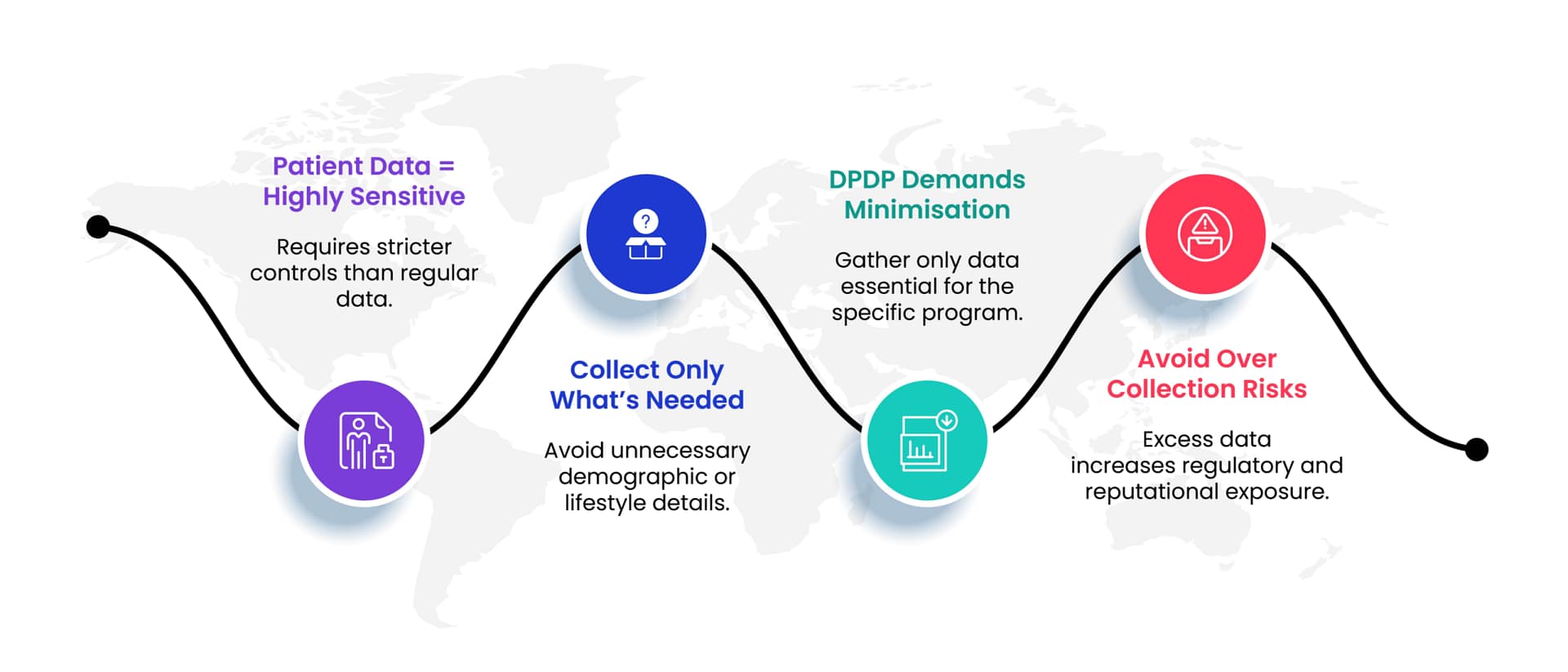
    Patient Data Requires Even Stricter Minimisation


    Patient data is inherently sensitive.

    Pharma companies running patient support programs often collect more data than necessary. This may include demographic details, lifestyle information, or engagement metrics that are not directly required for program delivery.

    Under DPDP, patient data minimisation is critical. Only data necessary for delivering the specific program should be collected.

    Excessive patient data collection increases both regulatory and reputational risk.

    Data Minimisation and Consent Alignment


    Data minimisation is closely linked to consent.

    Consent must clearly explain what data is being collected and why. Collecting data beyond what is described in consent violates DPDP.

    Pharma companies must align data collection practices with consent language. If consent does not justify collecting certain data, that data should not be collected.

    This alignment reduces ambiguity during audits.

    Impact on Analytics and AI Systems


    Analytics and AI systems often encourage broad data collection.

    The assumption is that more data improves model accuracy. Under DPDP, this assumption must be balanced against minimisation requirements.

    AI systems should be trained only on data that is necessary and lawfully collected. Collecting peripheral or speculative data increases risk without guaranteed benefit.

    Data minimisation does not prevent AI adoption. It forces more disciplined design.

    Legacy Databases Are the Biggest Risk


    Most compliance issues do not originate from new data collection. They come from legacy databases.

    Years of accumulated data often lack clear purpose mapping. Consent may not cover current use cases. Retention periods may be undefined.

    Data minimisation requires reviewing legacy datasets and making difficult decisions about deletion, anonymisation, or restricted access.

    Ignoring legacy data is not a safe option.

    Retention Periods and Data Hoarding


    Another area where pharma companies struggle is retention.

    Data is often retained indefinitely because deletion feels risky or inconvenient. Under DPDP, indefinite retention without justification violates minimisation principles.

    Retention periods should be defined by purpose. Once the purpose is fulfilled, data should be deleted or anonymised.

    This applies to doctor engagement data, patient program records, and analytics logs.

    Role of Systems in Enforcing Minimisation


    Data minimisation cannot rely on policy alone.

    Systems must support minimisation by design. This includes limiting mandatory fields, restricting enrichment, enforcing retention rules, and preventing unauthorised data collection.

    CRMs and data platforms should be configured to discourage unnecessary data accumulation.

    This is where DPDP-compliant HCP marketing frameworks add value by aligning data collection with execution needs.

    Vendor and Third Party Data Minimisation


    Pharma companies often receive data from vendors.

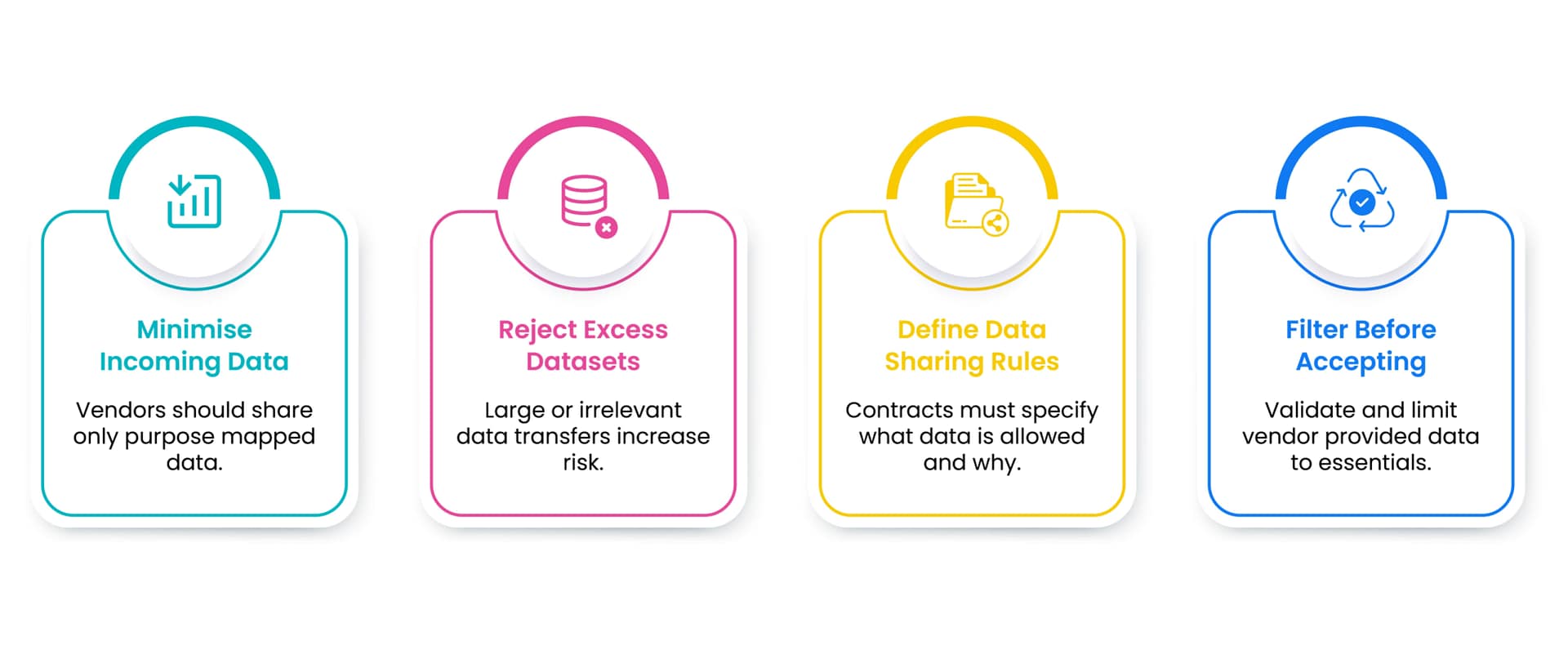
    This data must also be minimised. Accepting large datasets without clear purpose mapping transfers risk to the pharma company as data fiduciary.

    Vendor contracts should specify what data can be shared and why. Excess data should be rejected or filtered.

    Data Minimisation During Campaign Design


    Campaign design is an opportunity to enforce minimisation.

    Teams should ask what data is necessary to deliver this campaign. If certain attributes are not required, they should not be accessed or exported.

    This mindset reduces accidental misuse.

    Auditing Data Minimisation Compliance


    Auditors may ask why specific data fields exist.

    Being able to explain the purpose of each category of data strengthens compliance posture. Data without justification becomes a liability.

    Minimisation audits should be proactive, not reactive.

    Overcoming Internal Resistance to Minimisation


    Internal resistance is common.

    Teams fear losing flexibility or future opportunity. Addressing this requires education. Minimisation does not eliminate innovation. It forces innovation to be intentional and compliant. Leadership support is essential to drive this cultural shift.

    Data Minimisation as a Trust Signal


    Doctors and patients are increasingly aware of data practices.

    Collecting only necessary data signals respect and professionalism. This builds trust and reduces resistance to engagement.

    In a regulated industry, trust is a competitive advantage.

    Frequently Asked Questions on Data Minimisation Under DPDP

    What is data minimisation under DPDP Act? retention?
    It is the principle of collecting only data necessary for a defined purpose.
    Does data minimisation apply to doctor data?
    Yes. Doctor data must be limited to what is necessary for engagement.
    Is excessive data collection a compliance risk?
    Yes. Collecting unnecessary data increases DPDP exposure.
    Does data minimisation apply to legacy databases?
    Yes. Existing data must be reviewed and minimised.
    How does minimisation affect AI systems?
    AI systems must be trained on necessary and lawful data only.
    Can pharma companies keep data indefinitely?
    No. Retention must be justified by purpose.
    Who is responsible for data minimisation?
    The pharma company, as the data fiduciary.

    Closing Perspective and CTA


    Data minimisation under DPDP forces pharma companies to move away from data hoarding and toward purpose driven data practices.

    This shift is not about reducing capability. It is about reducing risk while improving clarity and trust.

    Pharma organisations that embrace minimisation will be better positioned to operate confidently under DPDP.

    If you are evaluating how to implement DPDP-compliant HCP marketing with disciplined data minimisation, this page explains how compliant data practices are being operationalised in real pharma environments.


  • DPDP and Third-Party Vendors: Why Responsibility Cannot Be Outsourced

    DPDP and Third-Party Vendors: Why Responsibility Cannot Be Outsourced

    DPDP and Third-Party Vendors: Why Responsibility Cannot Be Outsourced

    Pharma companies rarely operate alone. Modern healthcare marketing and commercial operations rely on a complex ecosystem of third party vendors. These include CRM providers, marketing automation platforms, WhatsApp service providers, analytics vendors, data enrichment partners, creative agencies, and cloud infrastructure providers.

    Under the Digital Personal Data Protection Act 2023, this ecosystem creates one of the most misunderstood risk areas for pharma organisations.

    Many teams assume that compliance responsibility shifts to vendors once data is shared. Under DPDP, this assumption is incorrect. The law places primary accountability on the data fiduciary, which in most pharma marketing contexts is the pharma company itself.

    This article explains how DPDP defines responsibilities between pharma companies and third party vendors, where accountability truly sits, and what pharma organisations must do to govern vendor relationships without slowing execution.

    How DPDP Defines Data Fiduciaries and Data Processors


    DPDP introduces two critical roles.

    The data fiduciary is the entity that determines the purpose and means of processing personal data. In pharma marketing, this is almost always the pharma company.

    The data processor is any entity that processes personal data on behalf of the fiduciary. This includes vendors, agencies, and technology platforms.

    Understanding this distinction is essential because responsibility does not transfer simply because processing is outsourced.

    Why Responsibility Does Not Shift to Vendors

    A common misconception is that vendors are responsible for compliance failures involving their systems.
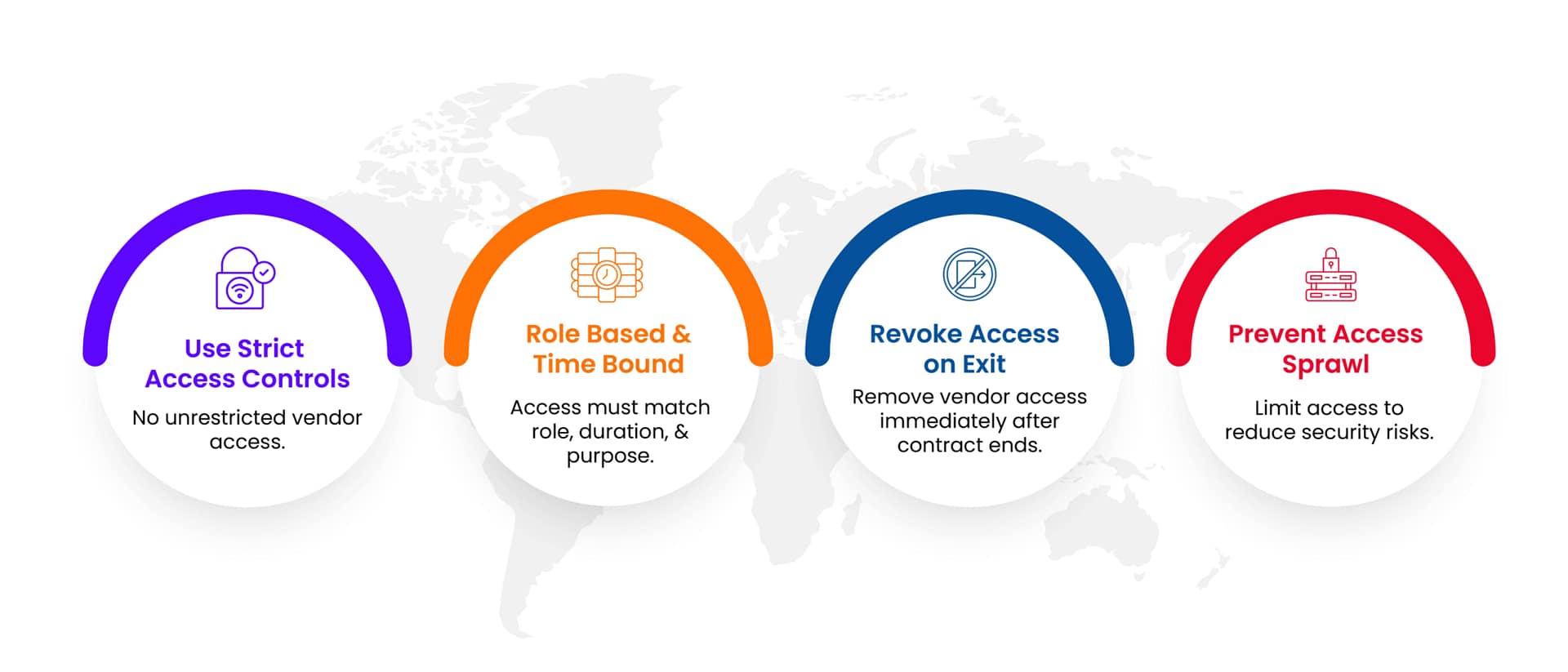
    Under DPDP, the data fiduciary remains accountable for ensuring that processing is lawful, consented, and limited to purpose.

    If a vendor violates DPDP while processing data on behalf of a pharma company, regulators will look first to the pharma company.

    Vendor contracts and SLAs do not override statutory responsibility.

    Typical Vendor Categories in Pharma Marketing


    Pharma marketing ecosystems include multiple vendor types.

    CRM platforms store doctor data and engagement history. Marketing automation tools execute campaigns. WhatsApp vendors deliver messages. Analytics platforms process behavioural data. Data enrichment vendors add attributes. Agencies design and run campaigns. Cloud providers host infrastructure.

    Each vendor interacts with personal data differently. Each creates unique compliance considerations.

    DPDP applies across all of them.

    The Illusion of Vendor Compliance


    Many vendors claim to be compliant.

    They may offer features such as opt out handling, encryption, or audit logs. While these features are helpful, they do not guarantee DPDP compliance.

    Compliance depends on how the pharma company uses the vendor, how consent is managed, and how data flows across systems.

    Vendor compliance statements should be treated as inputs, not assurances.

    Consent Management Across Vendors


    Consent is often fragmented across vendor systems.

    Email platforms manage unsubscribes. WhatsApp vendors manage opt outs. CRMs store consent flags. Analytics tools process data independently.

    Under DPDP, consent must be enforced consistently across all vendors.

    This requires a central consent authority that vendors integrate with. Vendors should not operate with independent consent logic.

    This is where DPDP-compliant HCP marketing architectures become critical. They centralise consent enforcement across vendor ecosystems.

    Purpose Limitation and Vendor Processing


    Vendors often process data beyond the immediate execution task.

    Analytics vendors may analyse engagement patterns. Platforms may use data to optimise delivery. Agencies may retain data for reporting.

    Under DPDP, all such processing must align with the original consented purpose.

    Pharma companies must clearly define allowed purposes in vendor contracts and enforce them technically.

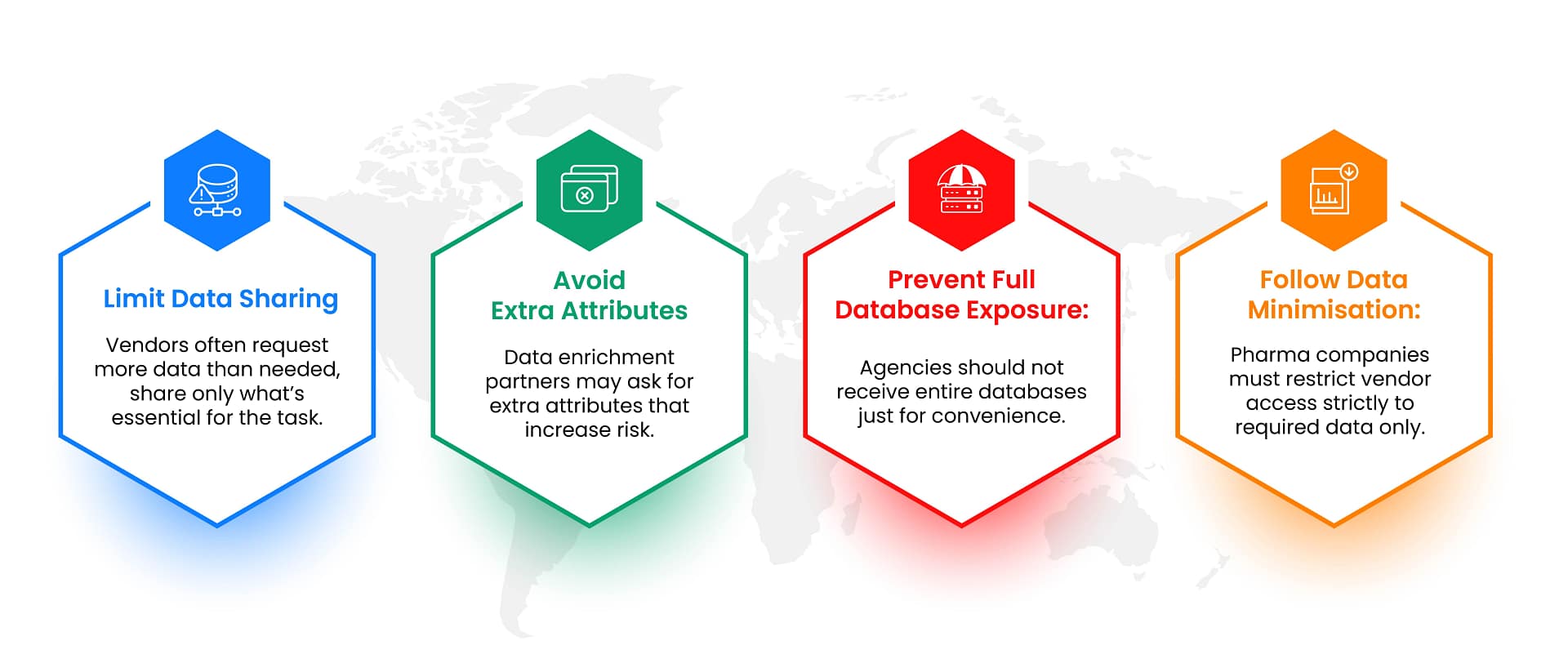
    Data Minimisation and Vendor Inputs


    Vendors often request more data than necessary.

    Data enrichment partners may ask for additional attributes. Agencies may request full databases for convenience.

    Providing excessive data increases risk and violates data minimisation principles.

    Pharma companies must limit vendor access to only the data required for the specific task.

    Vendor Retention and Deletion Obligations


    Retention and deletion become complex when vendors are involved.

    Vendors may retain data after contracts end. Backup systems may hold copies. Reporting datasets may persist.

    Under DPDP, the pharma company remains responsible for ensuring deletion or anonymisation across vendors.

    Vendor contracts must include clear deletion obligations and verification mechanisms.

    Sub Processors and Hidden Risk

    Many vendors use sub processors.

    Cloud providers, analytics tools, and messaging platforms often rely on additional third parties.

    These sub processors also process personal data. DPDP responsibility still flows back to the data fiduciary.

    Pharma companies must understand and approve sub processor chains.

    Cross Border Data Processing by Vendors

    Many vendors process data outside India.

    DPDP allows cross border processing but requires safeguards.

    Pharma companies must know where data is processed, by whom, and under what controls. Blindly accepting global vendor architectures creates exposure.

    Vendor Audits and Due Diligence

    Vendor due diligence must go beyond questionnaires.

    Pharma companies should assess how vendors handle consent, purpose limitation, retention, and deletion in practice.

    Periodic audits and reviews strengthen governance.

    Trust without verification is risky.

    Agency Managed Campaigns and DPDP Risk

    Agencies often manage campaigns end to end.

    They may access CRM data, create audiences, run campaigns, and analyse results. Under DPDP, agency actions are treated as actions of the pharma company.

    Agencies must be tightly governed, trained, and monitored.

    Incident Response Involving Vendors


    Data incidents involving vendors are common.

    DPDP expects timely response and notification. Pharma companies must have visibility into vendor incidents.

    Contracts should require vendors to notify incidents immediately. Delayed awareness increases regulatory risk.

    Designing Vendor Access Controls


    Access controls are critical.

    Vendors should not have unrestricted access to data. Access should be role based, time bound, and purpose limited.

    Revoking access when contracts end is essential. Access sprawl increases risk significantly.

    Why Vendor Governance Is a Board Level Issue

    Vendor related DPDP risk is systemic.
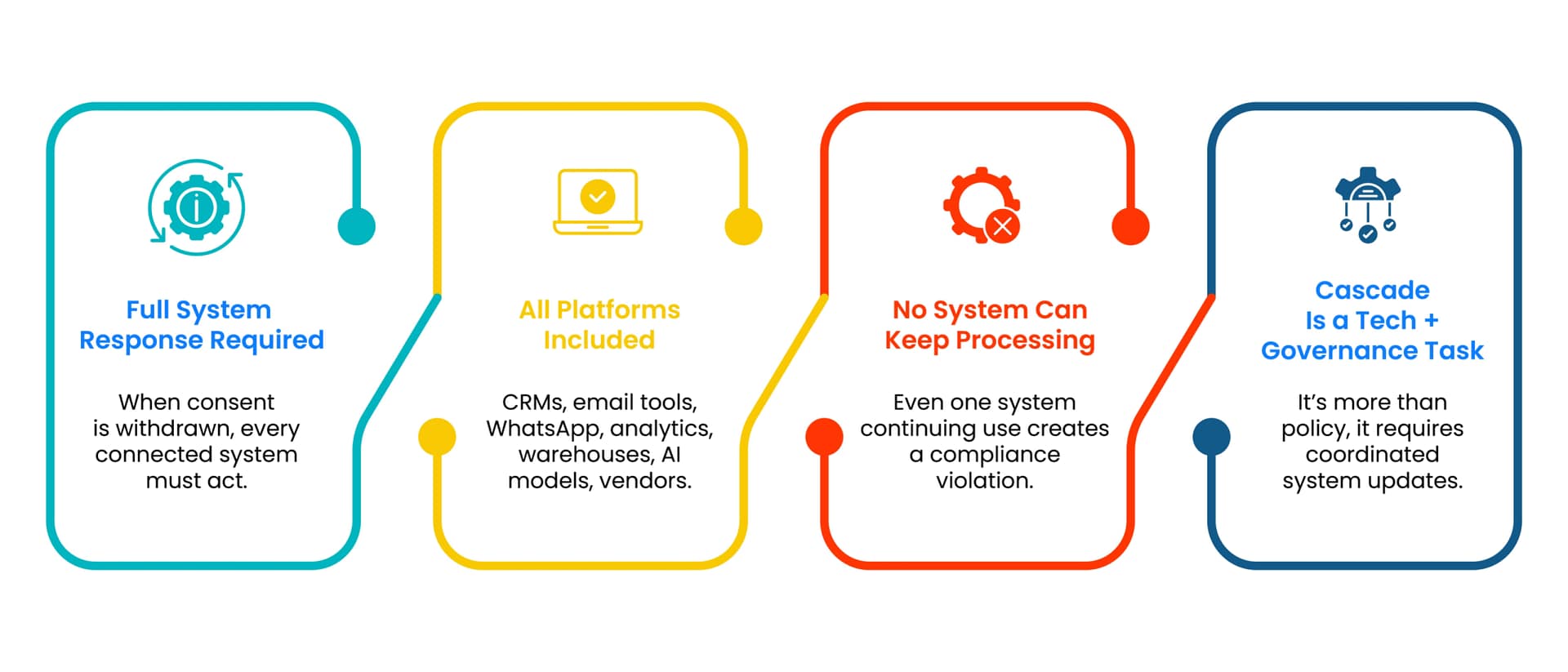
    It spans multiple departments, systems, and geographies. It affects reputation, compliance, and operations.

    Boards and leadership must understand that outsourcing does not outsource responsibility. Vendor governance should be elevated beyond procurement.

    Benefits of Strong Vendor Governance


    Strong governance reduces incidents, improves compliance confidence, and simplifies audits. It also improves vendor relationships by setting clear expectations.

    Over time, disciplined vendor governance becomes a competitive advantage.

    Frequently Asked Questions on DPDP and Vendors

    Who is responsible for DPDP compliance when vendors process data? retention?
    The pharma company, as the data fiduciary.
    Do vendors have DPDP obligations?
    Yes, but responsibility remains with the fiduciary.
    Can vendor contracts shift DPDP liability?
    No. Contracts cannot override statutory responsibility.
    Does DPDP apply to agencies running campaigns?
    Yes. Agency actions are treated as actions of the pharma company.
    Do vendors need to delete data on request?
    Yes. Deletion obligations must be enforced across vendors.
    Are sub processors covered under DPDP?
    Yes. All processing entities are included.
    Is vendor due diligence mandatory?
    While not explicitly mandated, it is practically essential.

    Closing Perspective and CTA


    Third party vendors are not a compliance shield under DPDP. They are an extension of the pharma company’s processing ecosystem.

    Responsibility does not shift when data is shared. It expands.

    Pharma organisations that design strong vendor governance, central consent enforcement, and lifecycle controls will be far better positioned to operate confidently under DPDP.

    If you are evaluating how to implement DPDP-compliant HCP marketing with full vendor governance and accountability, this page explains how consent-first, vendor aware architectures are being implemented in real pharma environments.


  • Consent Withdrawal Under DPDP: Why Permission Changes Must Cascade Across Systems

    Consent Withdrawal Under DPDP: Why Permission Changes Must Cascade Across Systems

    Consent Withdrawal Under DPDP:
    Why Permission Changes Must Cascade Across Systems

    Consent withdrawal is one of the most powerful rights granted to individuals under the Digital Personal Data Protection Act 2023. For pharma companies, it is also one of the most operationally misunderstood obligations.

    Many organisations believe that consent withdrawal is handled once a doctor unsubscribes from an email or opts out of a WhatsApp message. Under DPDP, this belief is dangerously incomplete.

    Consent withdrawal is not a channel level event. It is a system wide instruction that must cascade across every platform, dataset, workflow, and vendor that processes the individual’s data for that purpose.

    This article explains how consent withdrawal should cascade across pharma systems, why partial handling creates compliance exposure, and what operational changes are required to meet DPDP expectations at scale.

    What Consent Withdrawal Means Under DPDP


    Under DPDP, consent withdrawal means the individual revokes permission for their personal data to be processed for a specific purpose.

    Once consent is withdrawn, the organisation must stop processing the data for that purpose immediately. There is no grace period and no partial compliance.

    Processing includes outreach, analytics, profiling, and any automated decision making that relies on the data.

    This makes consent withdrawal a live operational trigger, not a documentation update.

    Why Pharma Commonly Mismanages Consent Withdrawal

    Pharma systems evolved in silos.

    Email tools handle unsubscribes. WhatsApp platforms handle opt outs. CRMs store flags. Analytics tools continue to process historical data. Vendors retain copies.

    These systems rarely communicate effectively.

    As a result, consent withdrawal is handled inconsistently. Outreach may stop in one channel but continue in another. Analytics may still process data long after consent is withdrawn.

    Under DPDP, this fragmentation is non compliant.

    Consent Withdrawal Must Be Purpose Specific


    Consent withdrawal applies to a specific purpose.

    A doctor may withdraw consent for promotional communication but continue to allow educational updates. A patient may withdraw consent for marketing but remain enrolled in a support program.

    Systems must respect this granularity.

    Treating withdrawal as a blanket removal or ignoring purpose distinctions creates both compliance and engagement problems.

    Cascade Means Every System Must Respond


    When consent is withdrawn, every system that processes the relevant data must respond.

    This includes CRMs, email platforms, WhatsApp systems, analytics tools, data warehouses, AI models, and vendor systems.

    If any system continues processing the data for the withdrawn purpose, the organisation remains in violation.

    Cascade is therefore a technical and governance challenge, not a policy statement.

    Why Channel Level Opt Outs Are Insufficient

    Channel level opt outs address only one symptom.
    Unsubscribing from email stops email delivery but does not stop WhatsApp messaging, ad targeting, analytics processing, or data sharing.

    DPDP does not recognise channel level compliance as sufficient if processing continues elsewhere.

    Consent withdrawal must be enforced across all channels and uses for that purpose.

    The Role of a Central Consent Authority


    To cascade consent withdrawal effectively, pharma organisations need a central consent authority.

    This authority maintains the definitive state of consent by individual, purpose, and channel. All systems must query this authority before processing data.

    When consent changes, the authority updates immediately and downstream systems must respond.

    Without this centralisation, cascade is impossible to guarantee.

    This is where DPDP-compliant HCP marketing architectures become essential. They provide a single source of truth for consent and enforce it across execution layers.

    Real Time Versus Batch Propagation


    Timing matters.

    Consent withdrawal must be propagated in real time or near real time. Batch updates that run daily or weekly create windows of non compliance.

    If a doctor withdraws consent at 10 AM and receives a message at noon, the organisation is exposed.

    Real time propagation requires event driven integration rather than scheduled syncs.

    Handling Consent Withdrawal in CRMs


    CRMs are often the first system updated.

    However, updating a flag in the CRM is not enough. CRMs must notify all integrated systems immediately.

    CRMs should not be treated as passive storage. They must participate in the cascade.

    If the CRM cannot propagate changes instantly, it cannot be relied upon as the sole consent system.

    Handling Consent Withdrawal in Email Platforms


    Email platforms typically handle unsubscribes well within their own environment.

    The problem arises when unsubscribes do not update central consent records or other systems.

    Email opt outs must trigger updates to the central consent authority. They must also prevent future list exports or campaign targeting that bypasses unsubscribe lists.

    Email platforms should not be treated as isolated compliance silos.

    Handling Consent Withdrawal in WhatsApp Systems


    WhatsApp opt outs are often handled through keywords or platform level settings.

    These opt outs must be captured centrally and enforced across all WhatsApp templates, campaigns, and vendors.

    Manual handling or delayed updates increase risk significantly.

    At scale, WhatsApp consent withdrawal must be automated end to end.

    Consent Withdrawal and Digital Advertising


    Digital advertising presents one of the hardest cascade challenges.

    Audience lists may exist on external platforms. Retargeting pixels may continue collecting data. Campaigns may continue delivering ads automatically.

    Consent withdrawal must trigger removal from audience lists and stop further targeting.

    Pharma companies must design integrations that allow rapid suppression of withdrawn individuals from ad platforms.

    Analytics and Data Processing After Withdrawal


    Consent withdrawal applies not only to outreach but also to analytics.

    Processing personal data for analytics after withdrawal is non compliant if analytics was part of the withdrawn purpose.

    Systems must stop using the data and consider deletion or anonymisation. Ignoring analytics processing is a common oversight.

    AI Models and Consent Withdrawal


    AI systems often rely on historical data.

    If consent is withdrawn, organisations must evaluate whether continued use of that data in models is allowed.

    In many cases, data must be excluded from future processing. This may require retraining models or isolating withdrawn data.

    DPDP forces organisations to confront AI lifecycle governance.

    Vendor Systems and Consent Cascade


    Vendor systems are often the weakest link.

    Agencies and technology partners may hold copies of data. Consent withdrawal must be communicated to them and enforced.

    Vendor contracts should include obligations for immediate compliance with consent changes. Without vendor integration, cascade is incomplete.

    Auditing Consent Withdrawal Cascades


    Auditors will test consent withdrawal.

    They may submit a withdrawal request and observe whether messages continue. They may inspect system logs to see how updates propagate.

    Organisations must be able to demonstrate that withdrawal triggers a cascade across systems. Partial compliance will not pass scrutiny.

    Designing Consent Withdrawal as an Event


    The key design shift is treating consent withdrawal as an event, not a flag. Events trigger workflows. Flags do not.

    An event driven approach ensures that every system reacts immediately and consistently. This design supports scale and reduces reliance on manual intervention.

    Operational Ownership of Consent Cascades


    Consent cascade requires clear ownership.

    Someone must own the consent authority. Someone must own system integrations. Someone must monitor failures.

    Treating consent withdrawal as everyone’s responsibility often results in no one owning it. Clear accountability is essential.

    Business Impact of Proper Consent Cascade


    While implementing full cascade is complex, it delivers benefits.

    Complaints decrease. Trust improves. Audit readiness strengthens. Risk reduces. Operational clarity increases because systems behave predictably.

    Frequently Asked Questions on Consent Withdrawal Cascades

    What does consent withdrawal mean under DPDP? retention?
    It means stopping all processing of data for the withdrawn purpose.
    Is unsubscribing from email sufficient?
    No. Withdrawal must cascade across all systems and uses.
    Does consent withdrawal apply to analytics and AI?
    Yes. Processing includes analysis and modelling.
    How fast must consent withdrawal be enforced?
    Immediately or near real time.
    Who is responsible for ensuring cascade?
    The pharma company, as the data fiduciary.
    Do vendors need to comply with consent withdrawal?
    Yes. Vendor systems must stop processing immediately.
    Is a central consent system required?
    While not mandated explicitly, it is practically essential at scale.

    Closing Perspective and CTA


    Consent withdrawal under DPDP is not a minor operational detail. It is a system wide instruction that must be enforced consistently and immediately.

    Pharma companies that treat withdrawal as a channel level opt out expose themselves to serious compliance risk.

    Those that design event driven, system wide cascades will be able to operate confidently under DPDP.

    If you are evaluating how to implement DPDP-compliant HCP marketing with full consent withdrawal cascade across systems, this page explains how consent-first architectures are being implemented in real pharma environments.


  • Retention and Deletion Under DPDP: Why Uncontrolled Data Lifecycles Create Risk

    Retention and Deletion Under DPDP: Why Uncontrolled Data Lifecycles Create Risk

    Retention and Deleton Under DPDP: Why Uncontolled Data Lifecycles Create Risk

    Data retention has long been an uncomfortable topic in pharma organisations. Most teams know that data should not be kept forever, yet few can confidently explain when data should be deleted, who decides, or how deletion actually happens across systems.

    The Digital Personal Data Protection Act 2023 removes this ambiguity.

    Under DPDP, retaining personal data without a valid purpose is a violation. Deletion is not optional housekeeping. It is a legal obligation that must be enforced operationally and demonstrably.

    For pharma companies that handle large volumes of doctor and patient data across CRMs, marketing platforms, analytics systems, and AI models, retention and deletion rules require a fundamental shift in how data lifecycle is managed.

    This article explains DPDP retention and deletion rules in a practical pharma context, identifies common failure points, and outlines how pharma organisations must redesign data lifecycle governance to remain compliant at scale.

    What Retention Means Under DPDP


    Retention under DPDP refers to how long personal data is kept after it has served its stated purpose.

    DPDP requires that personal data be retained only for as long as necessary to fulfil the purpose for which it was collected. Once that purpose is achieved, the data must be deleted or anonymised.

    Retention is therefore purpose driven, not convenience driven.

    This principle applies equally to doctor data, patient data, engagement logs, analytics outputs, and derived datasets.

    Why Pharma Historically Retained Data Indefinitely


    Pharma organisations evolved in an environment where data deletion was rarely enforced.

    Data was retained because it might be useful later. Historical engagement was considered valuable for trend analysis. Legal teams preferred retention over deletion due to litigation concerns.

    Over time, this led to data hoarding. Databases grew, systems accumulated redundant records, and deletion processes were either manual or nonexistent.

    DPDP challenges this behaviour directly.

    Retention Without Purpose Is a DPDP Violation

    DPDP expects organisations to define retention periods.

    Undefined retention is not acceptable. Pharma companies must specify how long different categories of data are retained and why.

    Retention schedules should be purpose specific. Doctor engagement data may have different retention periods than patient support data.

    These schedules must be enforced, not just documented.

    Retention Rules for Doctor Data


    Doctor data is often retained indefinitely in pharma CRMs.

    Contact details, engagement history, preferences, and behavioural scores may remain active long after a doctor stops engaging or withdraws consent.

    Under DPDP, this is problematic.

    Doctor data should be retained only while there is an active, consented purpose for engagement. If consent is withdrawn or engagement ends, data should be reviewed for deletion or anonymisation.

    Inactive data presents unnecessary risk

    Retention Rules for Patient Data


    Patient data requires even stricter control.

    Patient support programs often retain data long after program completion. Historical records may be kept without clear justification.

    Under DPDP, patient data must be deleted once the program purpose is fulfilled, unless there is a lawful reason to retain it.

    Medical, legal, or regulatory retention requirements must be clearly documented. Retaining patient data simply because it exists is not acceptable

    Engagement Logs and Analytics Data


    Engagement logs are often overlooked in retention discussions.

    Email opens, message clicks, page visits, and interaction timestamps accumulate rapidly. Analytics systems may store this data indefinitely.

    Under DPDP, engagement logs linked to identifiable individuals are personal data. They must follow retention rules.

    Once analytics insights are generated, raw data may need to be anonymised or deleted depending on purpose.

    Derived Data and Profiles


    Many pharma systems create derived data such as engagement scores, segmentation labels, or predictive indicators.

    These derived datasets are often treated as non personal. Under DPDP, if they can be linked back to an individual, they are personal data.

    Derived data must therefore follow retention and deletion rules.

    Keeping outdated profiles increases risk and reduces accuracy.

    Consent Withdrawal Triggers Deletion Obligations


    Consent withdrawal has direct implications for retention.

    When a doctor or patient withdraws consent, the organisation must stop processing data for that purpose. In many cases, this also triggers deletion obligations.

    Data that has no remaining lawful purpose must be deleted.

    Failure to link consent withdrawal to deletion workflows is a common compliance gap.

    Legal and Regulatory Retention Exceptions


    DPDP allows retention where required by law.

    Pharma organisations may need to retain certain data for regulatory, pharmacovigilance, or legal obligations. These exceptions must be specific and documented.

    However, legal retention does not justify retaining all data indiscriminately. Only the minimum required data should be retained.

    Clear separation between retained and deleted datasets is essential.

    Retention Periods Must Be Defined


    DPDP expects organisations to define retention periods.

    Undefined retention is not acceptable. Pharma companies must specify how long different categories of data are retained and why.

    Retention schedules should be purpose specific. Doctor engagement data may have different retention periods than patient support data.

    These schedules must be enforced, not just documented.

    Why Deletion Is Operationally Difficult in Pharma


    Deletion is hard because pharma data is fragmented.

    Doctor data exists in CRMs, email platforms, WhatsApp systems, analytics tools, data warehouses, and vendor systems. Deleting data from one system is insufficient.

    DPDP requires deletion across all systems where the data exists.

    This complexity often leads to partial deletion, which still violates the law.

    Legal and Regulatory Retention Exceptions


    DPDP allows retention where required by law.

    Pharma organisations may need to retain certain data for regulatory, pharmacovigilance, or legal obligations. These exceptions must be specific and documented.

    However, legal retention does not justify retaining all data indiscriminately. Only the minimum required data should be retained.

    Clear separation between retained and deleted datasets is essential.

    Anonymisation as an Alternative to Deletion​

    In some cases, anonymisation may be acceptable.

    If data can be irreversibly anonymised such that individuals cannot be identified, it may fall outside DPDP scope.

    However, anonymisation must be robust. Pseudonymisation is not sufficient if re identification is possible.

    Pharma companies must be careful not to treat weak anonymisation as compliance.

    Designing Deletion as a System Workflow


    Deletion must be designed as a workflow, not an ad hoc task.

    Triggers such as consent withdrawal, purpose completion, or retention expiry should initiate deletion processes automatically.

    Manual deletion requests do not scale and increase error rates.

    Systems must support deletion propagation across integrated platforms.

    This is where DPDP-compliant HCP marketing frameworks add value by aligning lifecycle governance with execution systems.

    Vendor and Third Party Deletion Obligations


    Pharma companies often forget vendor systems during deletion.

    Agencies, data processors, and technology vendors may retain copies of data. Under DPDP, the data fiduciary remains responsible.

    Vendor contracts must include deletion obligations. Deletion confirmations should be auditable.

    Ignoring vendor data creates hidden exposure.

    Auditing Retention and Deletion Compliance


    Auditors will examine retention practices closely.

    They may ask why data from five years ago still exists. They may test deletion requests. They may examine whether deletion propagates across systems.

    Being able to demonstrate systematic deletion builds credibility.

    Ad hoc explanations do not.

    Business Benefits of Proper Retention Management


    While deletion feels risky, it often brings benefits.

    Smaller datasets are easier to manage and secure. Data quality improves. Analytics become more relevant.

    Clear retention rules reduce confusion and operational friction.

    Overcoming Organisational Resistance to Deletion


    Resistance to deletion is cultural.

    Teams fear losing historical insight. Legal teams fear future litigation. Marketing teams fear reduced reach.

    Addressing this requires leadership alignment and clear policy.

    Deletion does not eliminate insight. It eliminates unnecessary risk.

    Retention and Deletion in AI Systems


    AI systems present unique challenges.

    Models may be trained on historical data that should later be deleted. DPDP requires organisations to consider how deletion affects AI pipelines.

    This may require retraining models or designing data separation strategies.

    Ignoring AI implications is not acceptable.

    Frequently Asked Questions on Retention and Deletion Under DPDP

    What does DPDP say about data retention?
    Data must be retained only for the duration necessary to fulfil a clearly defined and lawful purpose.
    Is indefinite retention allowed under DPDP?
    No. Retaining personal data without an ongoing, lawful purpose constitutes a violation under DPDP.
    Does consent withdrawal require data deletion?
    In most cases, yes. If no alternative lawful basis exists, the data must be deleted upon consent withdrawal.
    Does DPDP apply to engagement logs and analytics data?
    Yes. When such data can be linked to an individual, it qualifies as personal data under DPDP.
    Can pharma companies retain data for legal reasons?
    Yes, but strictly limited to specific categories of data that are legally required to be retained.
    Is anonymisation acceptable instead of deletion?
    Only if anonymisation is irreversible and the data can no longer be linked to any individual.
    Who is responsible for deletion across vendors?
    The pharma company, acting as the data fiduciary, remains responsible for ensuring deletion across all vendors.

    Closing Perspective and CTA


    Retention and deletion under DPDP force pharma companies to confront long standing data hoarding practices.

    Keeping data without purpose is no longer safe. Deletion must become an operational capability, not an afterthought.

    Pharma organisations that design clear retention schedules and enforce deletion across systems will significantly reduce DPDP risk while improving data hygiene.

    If you are evaluating how to implement DPDP-compliant HCP marketing with proper data retention and deletion controls, this page explains how compliant data lifecycle management is being implemented in real pharma environments.